What to see in the Egyptian Geological Museum?
The Egyptian Geological Museum, located in the center of Cairo's busy city, is home to a remarkable collection of geological marvels that provide visitors during Egypt tours a look into the long history of our planet and the natural forces that have created it through time. In this post, we take unique Egypt day tours to look into the fascinating history, cultural significance, highlights, conservation initiatives, and tourist advice of the museum.
Description of Egyptian Geological Museum
Experience during Egypt travel packages the history of Egyptian Geological Museum, A renowned geologist and mineralogist named Gustave de Smet founded the museum in 1904 in response to the rising popularity in Egypt's geology. People's interest was stimulated by the discovery of major mineral deposits, and de Smet saw the need for a centralized repository to preserve and display these geological riches.
He worked extensively to increase the museum's inventory, which is today. If you are an explorer and interested in discovering science and geology, you must add the Egyptian Geological Museum to your Egypt luxury tours.
Collection jewels of the Egyptian Geological Museum
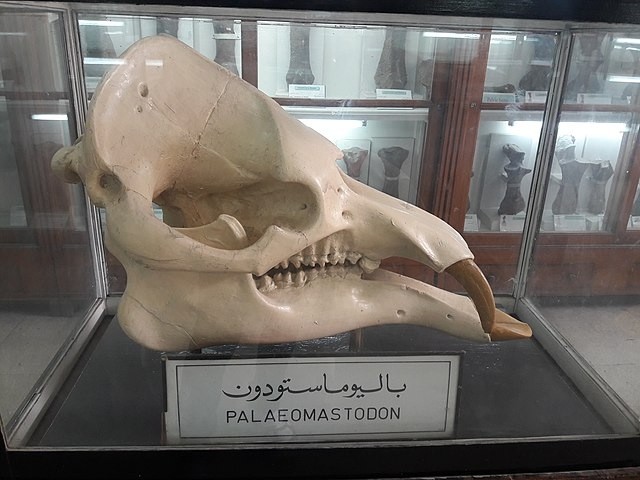
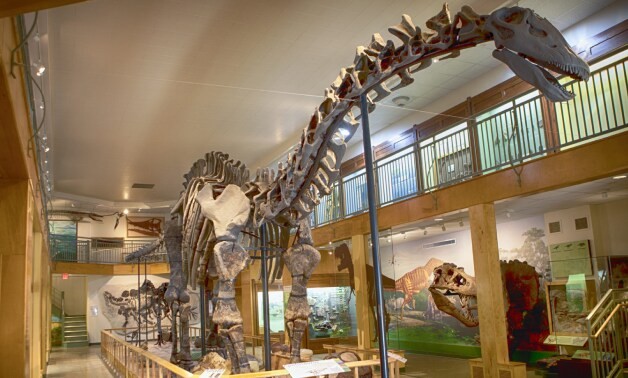
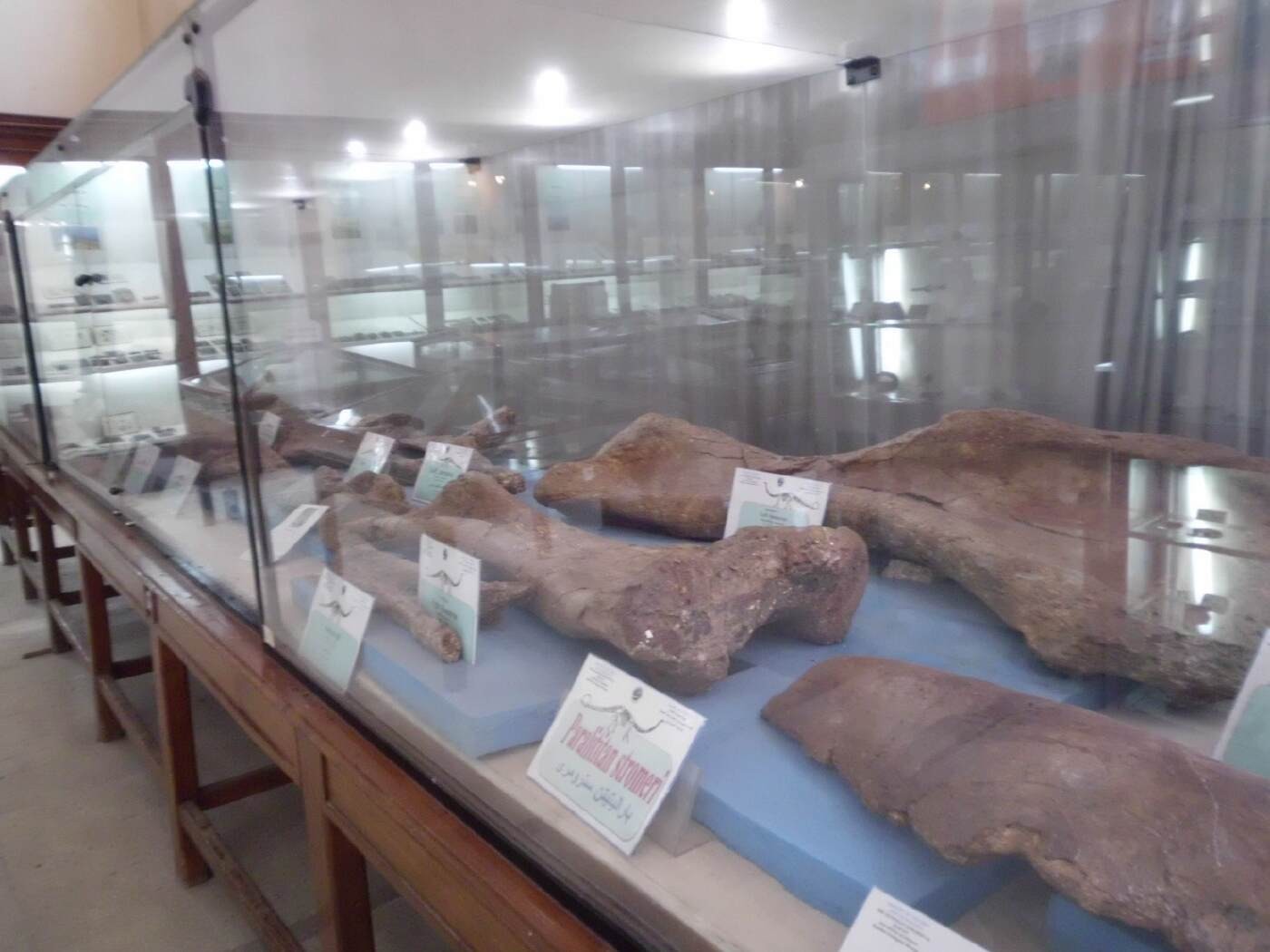
Let's discover many things to see during Egypt classic tours in the Egyptian Geological Museum. Towering dinosaur bones, rare minerals, glittering jewels, and meteorites from space are all included in the museum's huge collection. A well-liked attraction is the fossil collection, which features several dinosaur skeletons and other ancient species. Along with the fragile bones of lesser dinosaurs and extinct fish, visitors during Egypt budget tours may view the enormous heads of Tyrannosaurus rex and Spinosaurus.
The mineral collection that you will discover during Egypt easter tours, which includes a wide variety of rare and gorgeous specimens, is very outstanding. The vivid colors of gemstones like amethyst and topaz as well as the complex crystal structures of minerals like quartz and calcite may be appreciated by visitors. Visitors in Egypt sightseeing tours may touch a piece of the Moon or Mars at the meteorite display and learn about these bodies' genesis and composition.
Importance of the Egyptian Geological Museum
The Egyptian Geological Museum is a vital cultural institution that preserves the nation's enormous geological resources and serves as a storehouse for intriguing rocks and fossils, among other things. With several labs and research facilities, the museum serves as a hub for scientific research and teaching. I advise you to check out our Cairo day tours to discover many amazing things to do in the capital of Egypt. Cairo has impressive sights such as the Citadel of Qaitbay, the Egyptian Museum, and more. If you like, you can book an all-inclusive Cairo city tour after finishing your journey.
The museum has encountered a number of difficulties recently, including aging infrastructure and inadequate finance, despite its importance and popularity that you will discover during Egypt adventure tours. Fundraising initiatives, restorations, and partnerships with other organizations have all been started in an effort to conserve the collection and improve the facilities. The museum and the Egyptian Ministry of Antiquities collaborated to launch a sizable refurbishment project in 2019 with the goals of modernizing the museum's infrastructure and improving the tourist experience. What do you think about taking a felucca ride in Cairo after finishing your tour in the Egyptian Geological Museum?
When to visit the Egyptian Geological Museum?
An Egypt spiritual tours to the Egyptian Geological Museum is a must-do if you're a geology enthusiast or simply fascinated by rocks and fossils. The museum is open daily from 9 am to 3 pm (except on Fridays) and entry is free. Give yourself enough time to properly browse the extensive collection, and don't be afraid to ask the kind and professional staff for help if you need it. Whatever your degree of experience, the Egyptian Geological Museum will leave you inspired and amazed.