Maat, which stands for the idea of harmony and balance in all facets of life, is one of the core principles of ancient Egyptian culture. Egyptian art, architecture, religious practices, and even government bodies display perfect consistency in balance. The gender roles in ancient Egyptian society are another example of this.
In ancient Egypt, women legally enjoyed equal rights with men and were similar to men in everything except professions. Women could marry whomever they wanted and separate from whom they saw as inappropriate. They could occupy the jobs they wanted and travel according to their mood. All rights under the law depended on social status, not gender. Ancient Egyptian women enjoyed a more excellent social quality than many women in many societies, whether ancient or modern. The majority of components of ancient Egyptian civilization, from religious beliefs to social traditions, show respect for women. I suggest joining us in our Egypt tours to discover more about women's role in ancient Egypt such as, Queen hatshepsut she is considered one of the important women queens in ancient Egypt.
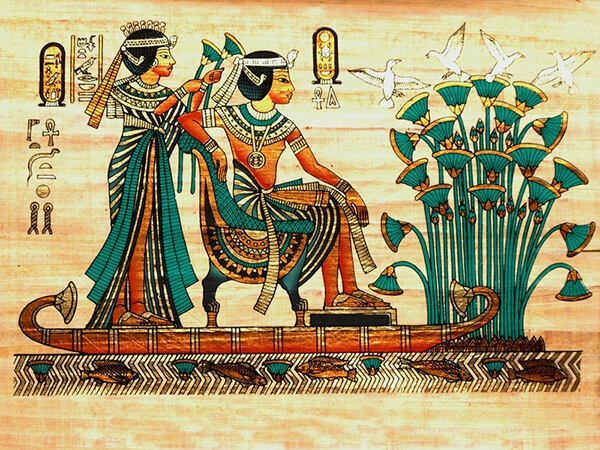
The divine female
The deities were male and female, and each had its areas of expertise just as important. In the most well-known creation story, the god Atum emerges from the endless hill and embarks on the construction of the cosmos. But in other versions of this tale, the goddess Neith begins creation. Even in the arrangements when Atum is the central figure, the primordial waters are embodied in the form of Nu and Nunit, illustrating the balance between male and female united to complete the creation process.
After the start of creation, women continued to play a decisive role, as illustrated by the famous story of Osiris and Isis. It is said that this duo ruled the world after its creation and taught man the principles of civilization, architecture, and the best way to worship the gods. And when Osiris was killed by his envious brother Set, Isis was one of his resurrections to life and gave birth to his son Horus, whom she created to become king. With the help of her sister Nephites and other gods such as Sirket and Neith, they restored balance to the earth. Hurry up to book our Egypt Luxury tours to discover the great Egyptian mythology (Isis and Osiris ) in Karnak temple.
Love, sex, and marriage
Women were legally empowered in all aspects of their lives and did not need men's supervision, counsel, or approval to pursue any action. This perspective also applies to marriage, sex, and other aspects of one's life. Women could marry whomever they wanted, as the male family did not arrange unions, and they could divorce whenever they wanted. Divorce was not stigmatized, even if lifelong marriage was favored. Ancient Egyptian husbands also made prenuptial agreements in the wife's best interest. If the man issues a divorce, he loses all the right to claim his gifts and is forced to pay a certain amount of money as alimony to his ex-wife until she marries again or requests to stop paying alimony. Custody of children was the wife's right, as well as ownership of the house unless the husband's family owned it.
Egyptian queens ( Queen Merit Nate)
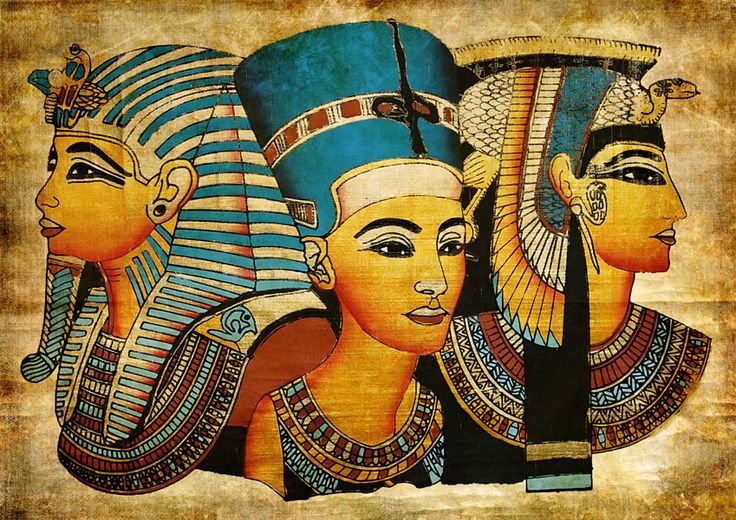
Queen Merit Nate is the first queen to rule in the history of the world. Archaeologists consider her a key to the rule of the Pharaohs of Egypt in the dynastic era, as she belongs to the first family. Still, opinions differed as to whether she was the one who ruled the country or that she was the wife of King Jett only. Merit Neith is associated with the ancient Egyptian deity Neith, an essential deity during the First Dynasty.
Queen Khent Kaos
Queen Khent Kaos is considered the first to write on the door of her pyramid temple in the Giza Plateau, north of the mortuary temple road of Menkaure, "The King of Upper and Lower Egypt, the Royal Mother and the Daughter of God." She was also the Queen of ancient Egypt during the Fourth Dynasty and played an essential role in the succession of the Fourth and Fifth Dynasties.
Queen Nate Iqrit
Nate Iqrit was the last Queen in the Sixth Dynasty in ancient Egypt. Nate Iqrit inherited the throne after her brother was killed by his subjects, who put her on the throne. When she took over, she kept planning to avenge his death, so she hatched a cunning plan that ended with the killing of many Egyptians.
Nate Iqrit took advantage of the occasion to build a giant underground building, so she called for a banquet to celebrate the event, and her guests were among those who killed her brother. She threw herself into an ash-filled chamber as a means of suicide.
Queen Hatshepsut
Egyptologists rank Hatshepsut, the fifth ruler of the Eighteenth Dynasty of ancient Egypt, as one of their most successful monarchs. She is King Thutmose I and Queen Ahmose's oldest child.
Hatshepsut, whose name means the favorite concubine of Amun over the ladies, or the concubine of Amun, Dora, the princess, is the legal heiress to the country's throne, as there was no legitimate male heir.
Queen Nefertiti
One of the most influential ladies in ancient Egypt was Queen Nefertiti. She was Tutankhamun's mother-in-law and the wife of King Amenhotep IV, a well-known ruler of the Eighteenth Dynasty. Queen Nefertiti's origins are unknown, although it is thought that she is the daughter of Ay, the army leader and her nurse. She lived a short period after her husband's death—the wife of Minister Aye, possibly Queen Tie's brother.
The name means the beautiful Queen Nefertiti, who helped Tutankhamun take over the king, and this beautiful Queen had a high status during her husband's rule, as she belonged to the eighteenth family. She lived in the fourteenth century BC, and her name and what happened with her husband were erased from the records.
Nefertiti was renowned for the bust of her likeness carved on a limestone block. In one of the most beautiful pieces of art from the ancient era. It is the most famous image of Queen Nefertiti.
Queen Nefertari
Nefertari, whose name means the beautiful companion, the unparalleled beloved, or the beautiful beauties of the world, was the most famous and essential wife of King Ramesses II, who lived in the era of the Nineteenth Dynasty in the 13th century BC.
She married Nefertari Ramesses at fifteen, and when her husband ascended to the throne, she remained the most important of the king's eight wives in Upper Egypt. She sanctified Nefertari like her husband, but she was not the first to carry this preference. The ancient Egyptians worshiped ten according to their beliefs, and Queen Nefertari, wife of King Thutmose IV.