Ancient Egyptian Symbols
From the Eye of Horus to the Ankh, there are many symbols that have come to be associated with this ancient Egyptian civilization. It was a fascinating culture, and its art and symbolism are some of the most instantly recognizable in the world till now.
In our following blog, we will explore some of the most popular Egyptian symbols and their meanings. you can see these amazing treasures through our Egypt Tours. Whether you're interested in Ancient history or just want to learn more about some cool symbols, read on! let's go.
There are many different types of Egypt travel packages we offer, depending on your interests or budget. If you want to learn about ancient Egyptian symbols, there are many tour itineraries to choose from. You can visit ancient sites like the Giza pyramids and the most famous temples, or go on a Nile River cruise and see the amazing hieroglyphics for yourself.
Top Egyptian symbols

There are a few Egyptian symbols that are more well-known than others. There are a lot of options via Egypt day tours to see Egyptian symbols. The Eye of Horus is probably the most famous, followed by the Ankh and the Scarab Beetle.
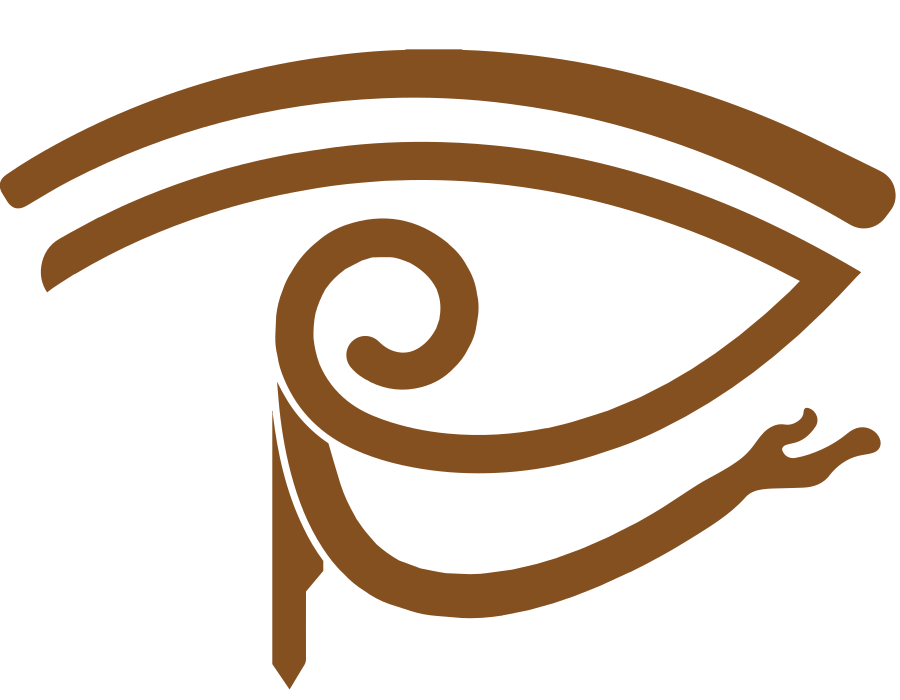
The Eye of Horus is a symbol of protection, royalty, and good health. It is often seen on amulets and other jewelry.
The Ankh is a symbol of eternal life. It is often seen in hieroglyphics and paintings. Your Egypt Tours provide you with Egypt classical packages to learn and discover this history. The scarab beetle was a very popular amulet in ancient Egypt. It was believed to have magical properties and was often used in funerary art.
Eye of Horus
The Eye of Horus was a symbol of protection and royal power from the Sun God Ra. in Ancient Egypt. The Eye of Horus is similar to the Eye of Ra, which represents the Sun God's power and vision.
The Eye of Horus was often used as a symbol of sacrifice, offering up one's own eye in order to receive greater power or knowledge. In some versions of the myth, Osiris gave his eye to Horus in order to heal him after being wounded by Set.
The Eye of Horus symbolizes renewal and resurrection. According to Egyptian beliefs, after death, the soul was evaluated by Osiris and either reincarnated or sent to the underworld. The Eye of Horus was considered as a beacon for the deceased, assisting them on their journey back to the world of the living. If you want to learn about the history of ancient Egypt, there are Egypt Luxury Tours that focus on specific periods or topics. You can also add on optional Egypt excursions to explore more of the country.
Eye of Ra
The Eye of Ra is a generally perceived and significant image in old Egyptian culture. It was connected to the sun god Ra and usually depicted as a sun based circle with a natural eye in the middle. The Eye of Ra was accepted to have gigantic strength and was regularly utilized as an image of guard. Guests can visit Luxor and Aswan, two of the most sought-after places of interest in Egypt.
Ankh
The Ankh, a notable image that addresses the possibility of timeless life, is a remainder of the old Egyptian civilisation. It addresses the actual embodiment of life, and in work of art, divine beings and goddesses are generally seen holding it. Engravings on headstones and burial place workmanship oftentimes included the Ankh. The Ankh has been a popular symbol and a portrayal of life since the beginning of time.
Scarab
In old Egypt, the scarab was a profoundly valued talisman. It was ordinarily utilized as an image for favorable luck and was remembered to have magical capacities. The scarab insect addressed the sun and was viewed as an indication of resurrection and recovery.
Hooligan and thrash
The hooligan and thrash are two of the most old and regularly tracked down images in Egyptian iconography. The evildoer is a staff with a bended end, which was initially utilized as a device for sheep grouping. The thrash is a farming device comprising of a wooden handle joined to lengths of rope or calfskin, with loads toward the end. Both the hooligan and thrash came to be viewed as images of imperial power, with the pharaoh frequently being portrayed holding the two things in a single hand. If you have any desire to encounter current Egyptian culture , there are likewise Egypt culture packages available
The criminal and thrash represent various parts of sovereignty. The hooligan addresses the shepherd lord who looks after and really focuses on his kin, while the thrash addresses the horticultural ruler who accommodates his kin's requirements. Together, they address a total and just ruler who gives both otherworldly and actual sustenance for his kin.
Djed
With a long history in Egyptian culture, the Djed is one of the most established and most generally utilized images. It represents solidness and equilibrium and is normally displayed as a point of support. The Djed was additionally habitually remembered for ornaments and charms since it addresses strength.
Sesen
Infinity and eternity were represented by the sesen in ancient Egypt. It is sometimes represented as a looped or coiled rope or as a stylised image of a lotus flower. In burial rites and as tomb decorations, the sesen represented the never-ending cycle of life, death, and rebirth.
The Sesen was considered to have magical properties and was commonly used as a talisman or amulet. It was thought to safeguard the wearer from harm and bring good luck. The Sesen had a connection with the sun deity Ra and was sometimes used to symbolize royalty or divinity.
Tjet
The Tjet is a time-honored symbol of regal might in Ancient Egypt. It comprises of a cross with two circular additions at its pinnacle, which are assumed to symbolize the sun and the moon. This symbol was commonly utilized as an ornamental feature on royal crowns, scepters, and jewelry, and was also carved into the walls of temples and tombs.
Shen
The Shen image is a notable and exceptionally respected symbol in old Egyptian culture, frequently showing up in hieroglyphics and show-stoppers. It addresses the heavenly power of the Pharaoh and "shen" itself signifies "to enclose" or "to secure". This image was utilized to protect the Pharaoh's standing and picture. Moreover, when joined with different images, the Shen represents the ideas of perpetuity, revival, and power.
Was
For the old Egyptians, was the idolization of the early stage idea of presence. He addresses all that is, both great and insidiousness. He is much of the time displayed as a man with the top of a crocodile, addressing his watery nature.
The divinity Was is in some cases portrayed holding an ankh, the image of life, in his grasp. He is likewise as often as possible depicted with a staff, which represents his dominance over all things. Was is the benefactor divinity of memorial service customs and is habitually portrayed in burial chamber works of art and carvings.
A Brief Guide to the Egyptian

The Egyptian Image Framework is popular for its intricate and muddled plan, as great many images have been utilized since the beginning of time. Every one of these Egyptian images has a particular significance and reason. In this short following rundown, we will discussing a choice of the most regularly involved images in Old Egypt.
The Ankh: The ankh is maybe the most notable of every single Egyptian image. It is frequently called the "key of life" or the "cross of life" and addresses timeless life, ripeness, and fresh starts.
The Eye of Horus: The Eye of Horus is an image of security, great wellbeing, and imperial power. It is additionally seen on talismans and other defensive gems.
The Scarab Beetle: The scarab bug addresses resurrection and recovery. Scarab special necklaces were in many cases put on Egyptian burial places to guarantee a protected entry into eternity.
The Lotus Flower: The lotus blossom is an image of virtue and illumination in old Egyptians. The Lotus bloom addresses fresh starts, profound arousing, and the unfurling of potential.
The Sphinx: The Sphinx is a legendary animal with the top of a human and the body of a lion. It addresses strength, power, insight, and secret.
Some of the things hieroglyphs were used for include:
- Record keeping
- communicating stories and religious beliefs
- for decorative purposes
Egyptian hieroglyphs
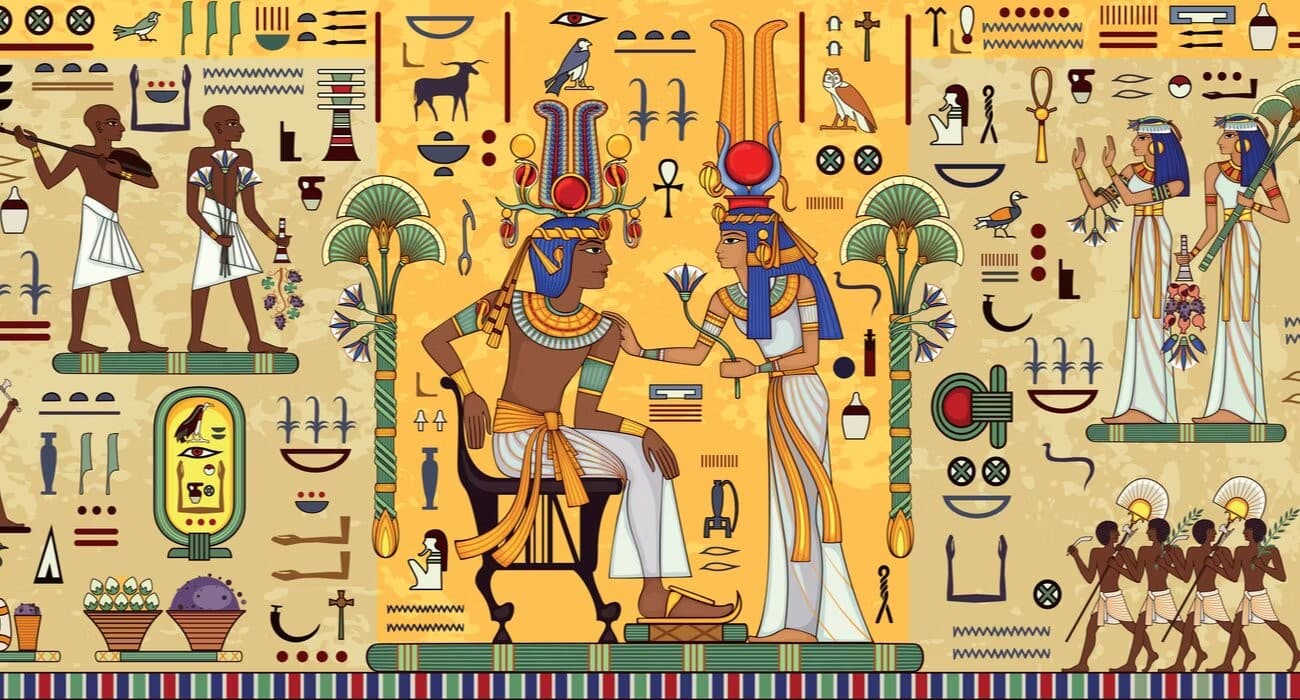
Hieroglyphs were among the first writing systems, it is used by the ancient Egyptians. They would use these symbols on temples walls, tombs, and other objects. Each symbol represented a specific word or idea. Over time, the Egyptians created a sophisticated system of hieroglyphs that could convey a range of different messages or stories. In addition to hieroglyphs, popular attractions on Luxor day tours include the Temple of Karnak and the Temple of Luxor. These temples showcase the wealth of Egypt's history and are considered to be some of the most attractive and must-see sightseeing in Egypt.