Introduction: A Journey into Egypt’s Christian Heart
Cairo is known for its Islamic monuments and pharaonic treasures, but tucked away in Old Cairo lies a gem of profound religious and historical significance — Coptic Cairo. This district isn't just a neighborhood; it’s a living archive of Egypt’s Christian heritage, dating back to the early centuries of Christianity. It’s home to ancient churches, monasteries, Roman ruins, and a unique museum, all wrapped in a deeply spiritual atmosphere. Whether you're a history buff, a spiritual traveler, or a curious explorer, Coptic Cairo is a must-visit destination that reveals a lesser-seen side of Egypt.
A Glimpse into History: Where Ancient Civilizations Meet Faith
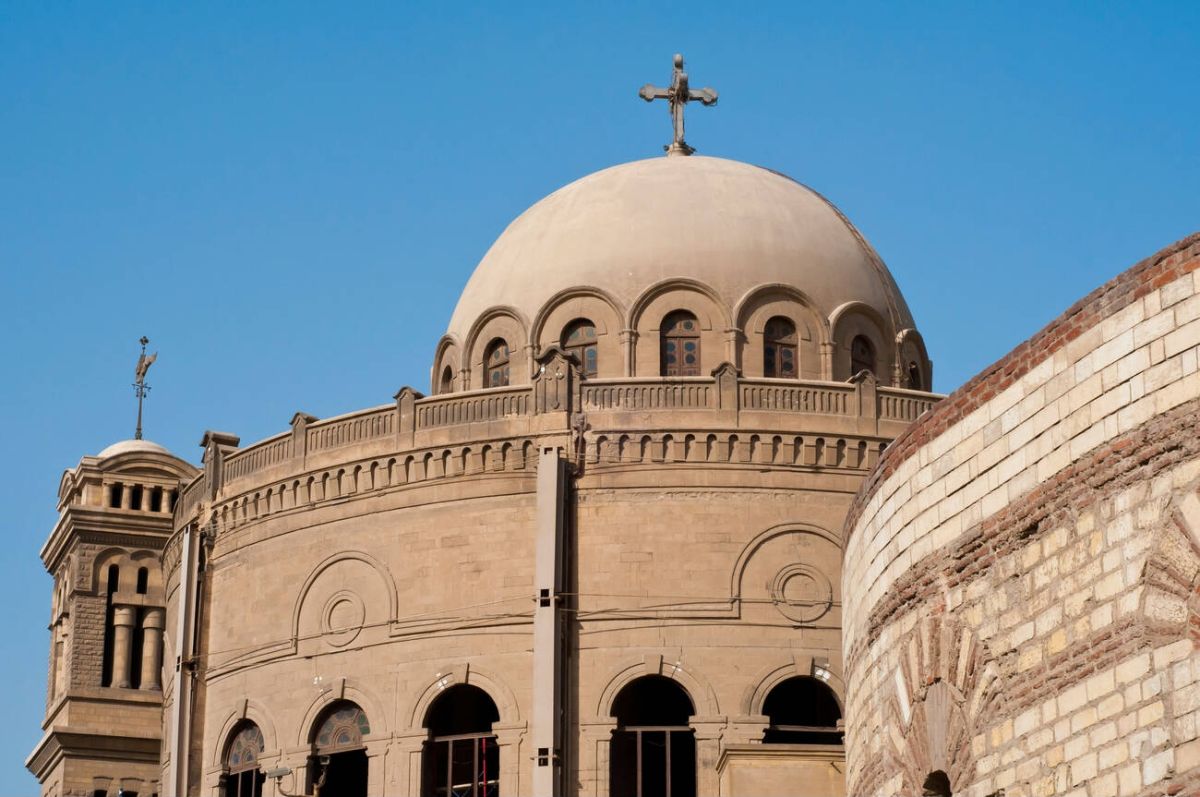
Coptic Cairo stands on the site of the ancient city of Babylon-in-Egypt, once a Roman fortress built in the 1st century AD. With the arrival of Christianity, the area became a hub for early Christian communities, and many of Egypt's oldest churches were constructed here — some dating back to the 4th century. According to tradition, the Holy Family (Mary, Joseph, and baby Jesus) even took refuge in this area during their flight into Egypt.
The term “Coptic” comes from the Greek word for Egyptian, and Coptic Christianity is one of the oldest branches of the faith, rooted in Egyptian tradition and theology. Walking through Coptic Cairo is like stepping through the pages of history — from Roman towers to medieval churches, and from underground chapels to relics of saints and martyrs.
How to Get There: Simple & Direct
Reaching Coptic Cairo is easy and accessible from any part of Cairo:
By Metro: Take the Cairo Metro Line 1 (the red line) and get off at Mar Girgis Station. The moment you exit, you’ll find yourself at the doorstep of Coptic Cairo’s wonders.
By Taxi or Uber: Simply enter “Coptic Cairo” or “Mar Girgis Church” as your destination.
Walking: If you're nearby (like from Fustat or the Mosque of Amr Ibn Al-As), it’s a pleasant 10–15 minute walk.
Must-Visit Sites in Coptic Cairo
1. The Hanging Church (Saint Virgin Mary's Church)
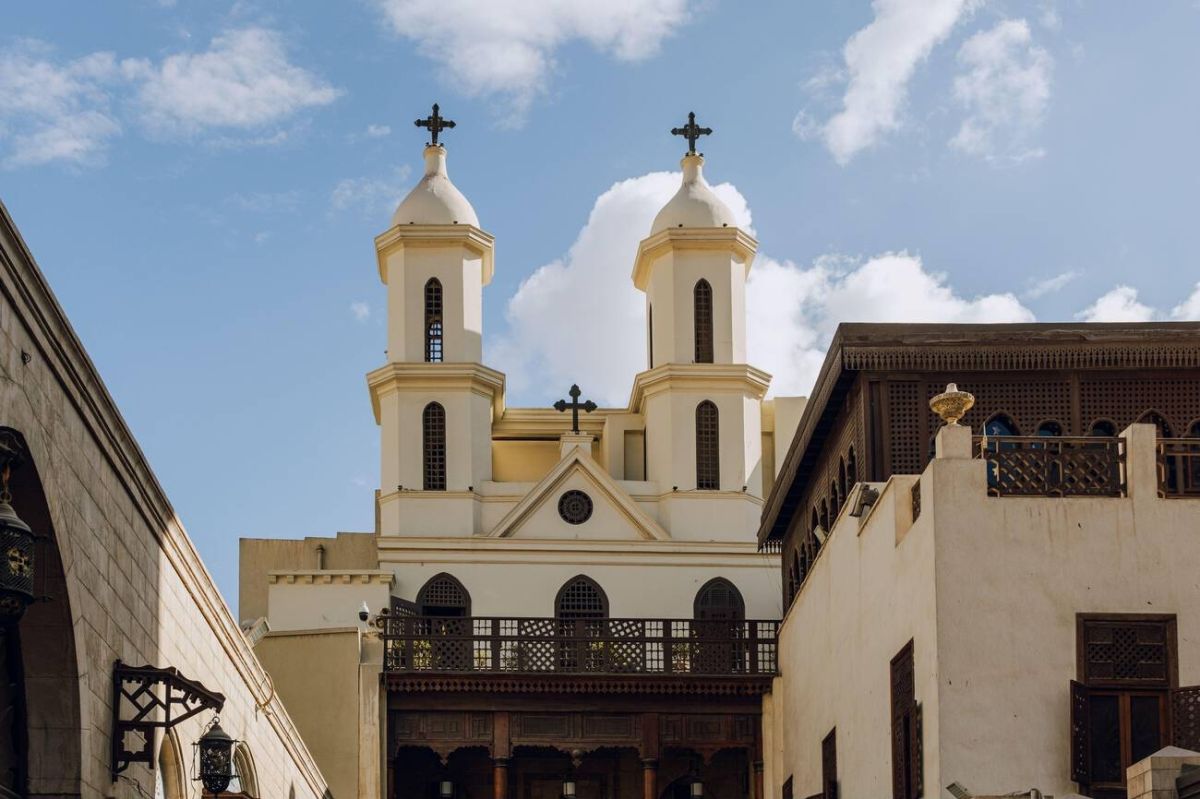
One of the most famous churches in Cairo, known for being “suspended” above a Roman gate. The wooden roof, shaped like Noah’s Ark, and its intricately carved pulpit are highlights.
2. The Coptic Museum
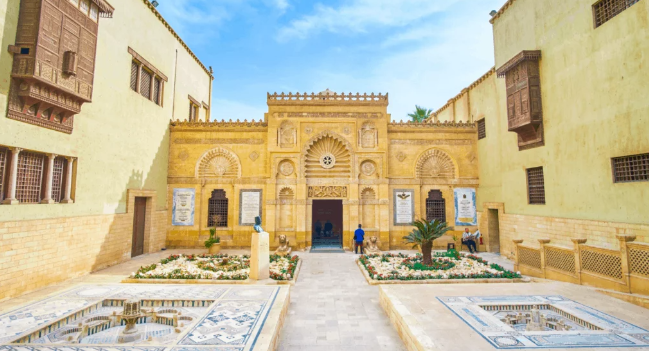
A beautifully curated museum that houses the largest collection of Coptic artifacts in the world — including manuscripts, textiles, icons, and relics. It’s a perfect stop to understand the development of Christianity in Egypt.
3. Church of St. Sergius and Bacchus (Abu Serga)
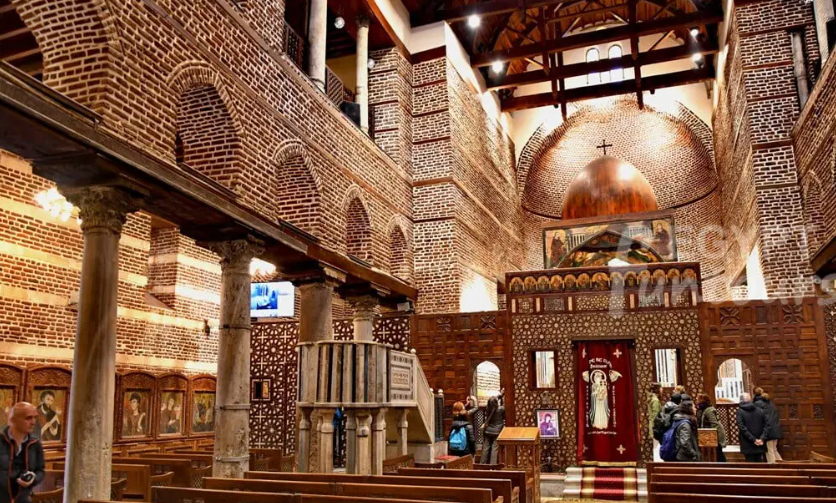
Said to be built on the spot where the Holy Family rested during their journey in Egypt. It’s one of the oldest churches in Cairo, with an atmospheric crypt that’s truly sacred.
4. Church of St. George (Greek Orthodox)
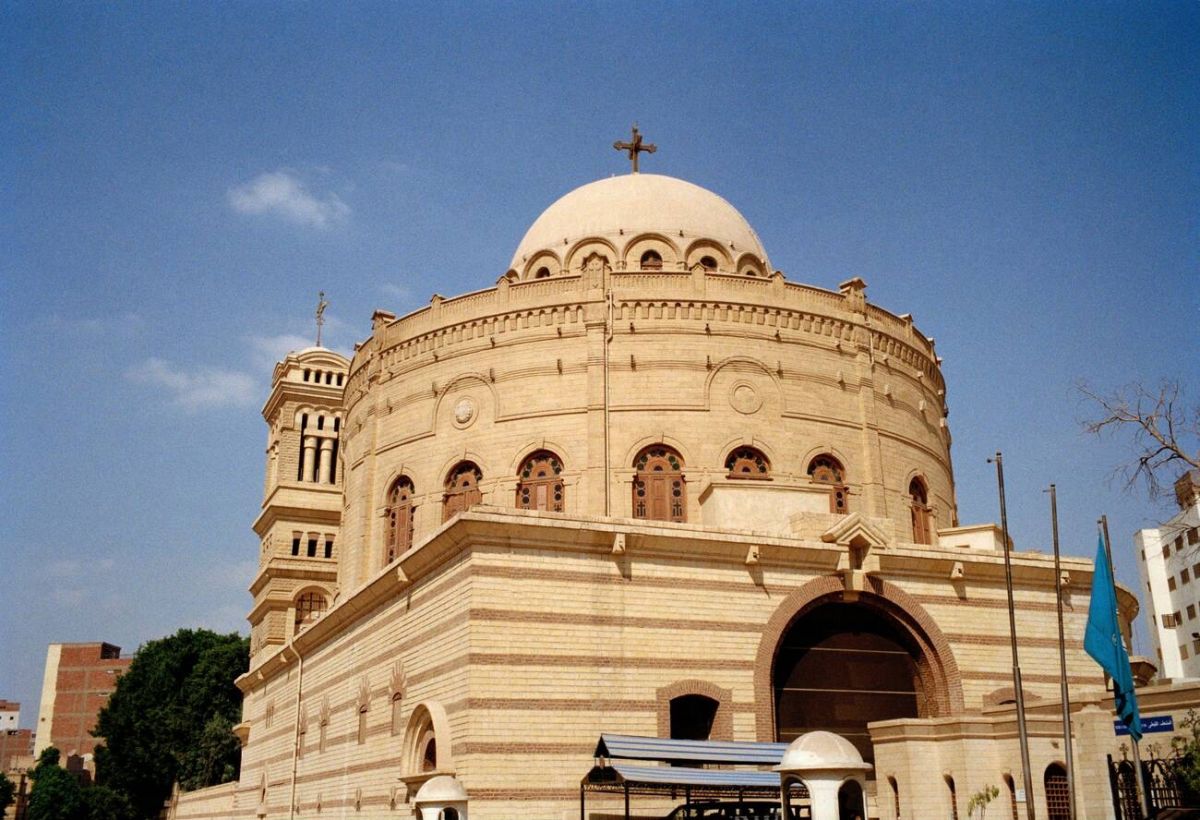
Not to be confused with the Catholic version, this round church is built above an old Roman tower and contains relics of St. George.
5. The Roman Towers
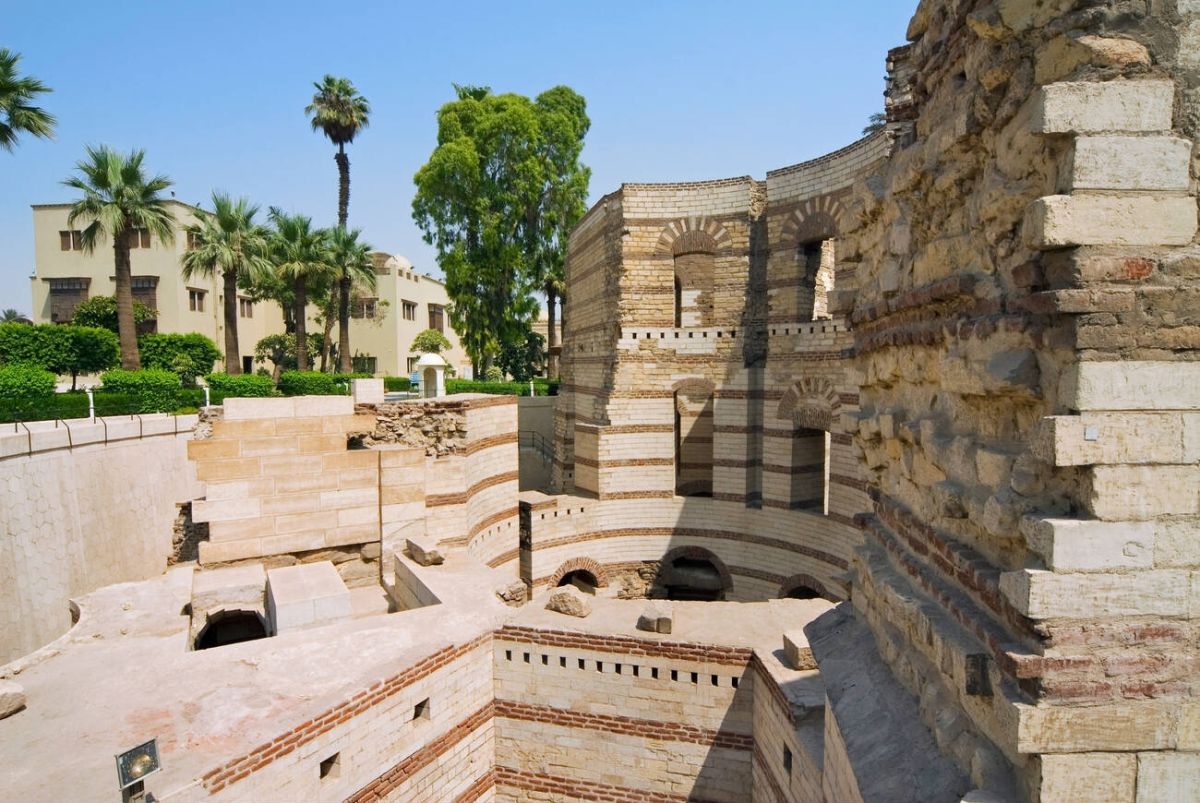
Remnants of the ancient fortress of Babylon, still standing tall and forming part of the walls surrounding the area.
What to Do in Coptic Cairo: Beyond Sightseeing
Spiritual Reflection: Many visitors come for pilgrimage or quiet prayer. The churches here offer a peaceful, sacred atmosphere.
Photography: The blend of Roman, Byzantine, and Coptic architecture makes for stunning photographs, especially with natural light filtering through stained glass.
Join a Guided Tour: Local guides can provide rich stories and biblical context that breathe life into the stones.
Attend a Coptic Mass: If you visit on a Sunday, you may have the chance to witness an actual Coptic liturgy in one of the churches.
Where to Eat Nearby
While Coptic Cairo itself is more focused on heritage than dining, you can find:
Sobhy Kaber Express (nearby in Fustat): Great for traditional Egyptian grills.
Zööba or El Tabei El Domyati (in central Cairo): Accessible by car and great for grabbing a bite after your visit.
Street Vendors: Offering drinks, juices, and simple snacks near the metro station.
Local Tips & Insights
Go Early: Beat the crowds and enjoy the peaceful morning light.
Modest Dress Code: Respectful attire is recommended, especially when entering churches or holy sites.
Check the Museum Hours: Most places open by 9 AM and close around 4–5 PM.
Combine Your Visit: You can also visit the nearby Amr Ibn Al-As Mosque (the oldest mosque in Africa) and Fustat Traditional Crafts Center.