Egypt is the cradle of ancient civilization known for its rich history. The Egyptian pharaoh left a lot of artifacts to study. Those artifacts give us a better view of their beliefs and how they achieved this glory as each artifact holds a meaning and has a story to tell.
This article will delve into the depths of the most recognizable and known symbol which is Ankh's (The Key of Life) unraveling its meaning and showcasing The Ankh Scarab Papyrus.
The Ankh, also known as the key of life, is a highly prominent and easily recognized symbol in the ancient Egyptian civilization. This symbol forms a cross crowned with a loop at its uppermost section that holds a scrab and lotus flower. You will find the Ankh on the walls of Karnak Temple, papyrus and more as this symbol carries a deep meaning to the ancient Egyptians belifes of existence, immortality and lasting life.
Why is there a scarab on the Ankh papyrus?

The Ankh's center features intricate details, portraying a scarab which is a rebirth symbol and a lotus flower that represent love. Poignantly, it stands above the majestic Great Pyramids in Giza. While commonly linked to the Egyptian glyph for magical protection, sa, the true meaning of the Ankh remains debated. Its precise origins baffle Egyptologists, with no consensus on its interpretation despite various hypotheses.
Moreover, the Scarab design is another frequent factor in the papyrus paintings as it symbolizes rebirth and revival and holds a grand value in ancient Egyptian mythology and sacred beliefs.
The Real Meaning Behind every aspect of the symbol
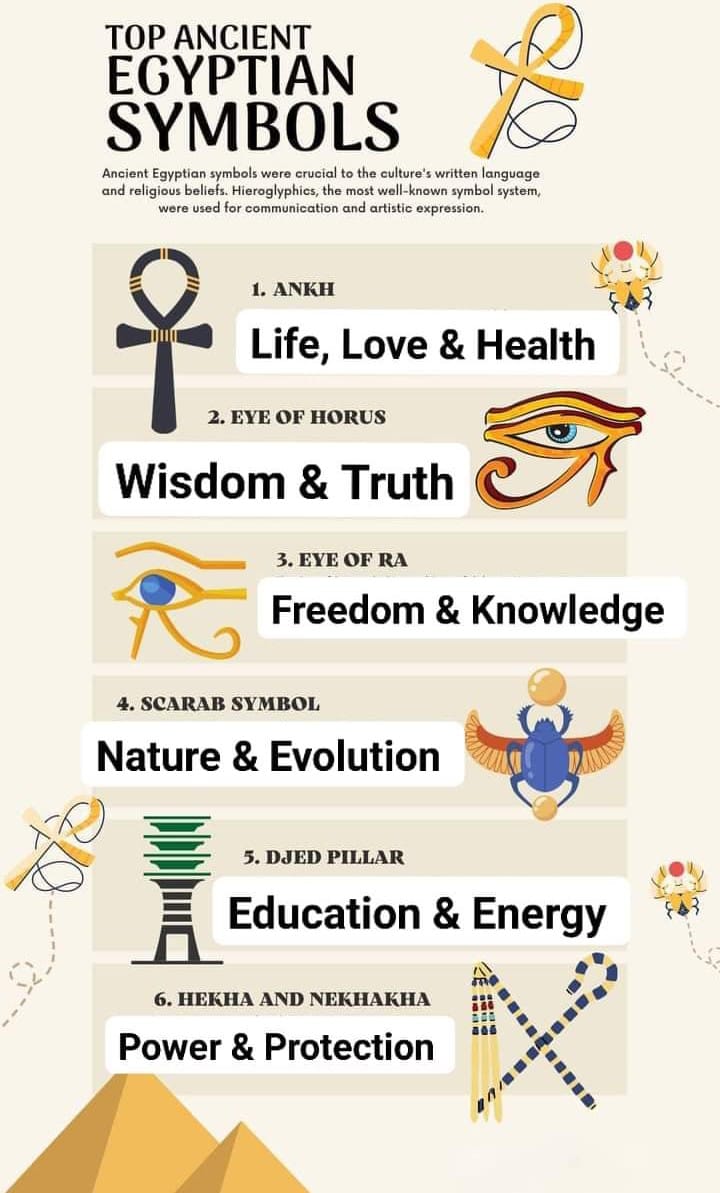
The circular loop part within Ankh's structure is often perceived as an indication of the sun symbolizing immense power whereas the cross part mirrors the earthly part, embodying the realm of mortals.
The ancient people of Egypt held a strong belief that by possessing or adorning oneself with an Ankh amulet, they would be bestowed with the divine blessings of the afterlife. This sacred object was frequently depicted as being held by various deities, serving as a symbolic representation of their immense authority to grant everlasting existence to those who had passed away.
In Conclusion, combining the Ankh and Scarab with scenes of daily life, religious rituals and mythological tales creates a captivating tableau that celebrates the multifaceted aspects of ancient Egyptian civilization, immortalizing their legacy in these delicate and awe-inspiring artworks.