History of Deir El-Shelwit
Deir El-Shelwit is an unlikely treasure in the Western Desert of Egypt. This old sanctuary traces all the way back to the 26th tradition, a period of strife in Egypt's set of experiences. The sanctuary is moderately little however flaunts staggering wall canvases and hieroglyphics. This post will investigate the sanctuary's set of experiences, engineering, and importance.
The 26th tradition was a time of turmoil, and the sanctuary's development happened during this time. It is accepted that the sanctuary was worked during the rule of Psamtik III, the last pharaoh of the tradition. An engraving found on a sculpture found in the sanctuary's yard upholds this end.
Architecture of Deir El-Shelwit
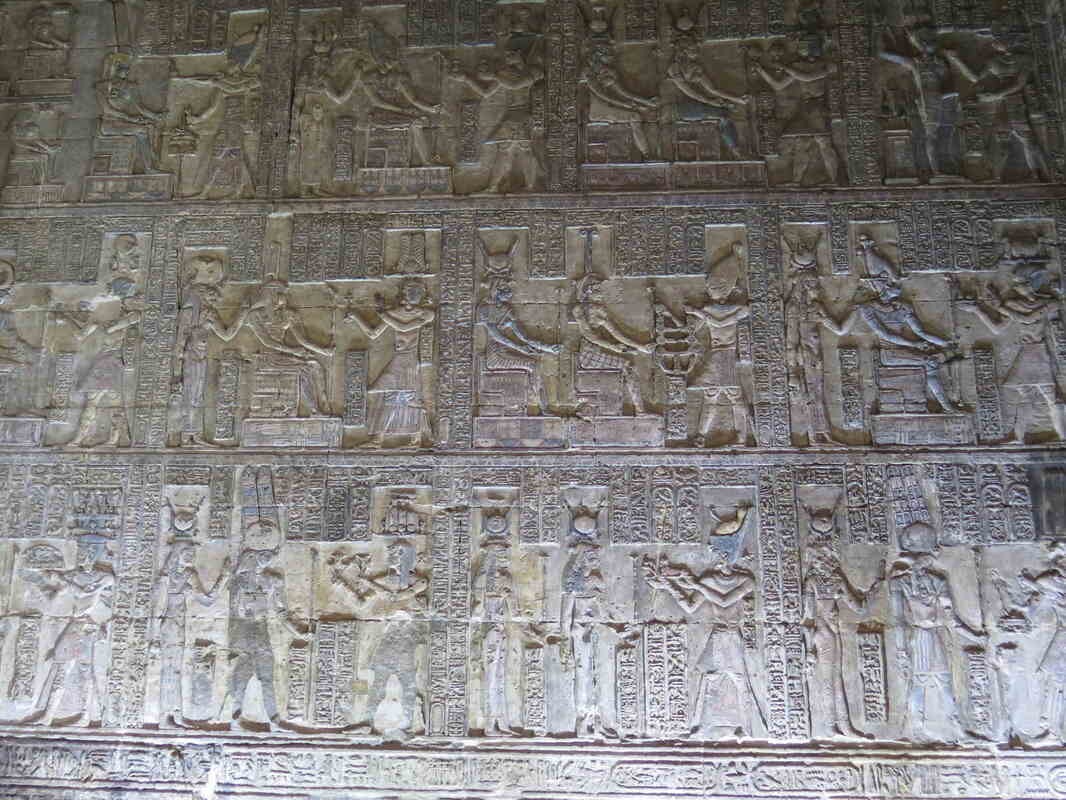
The temple estimates around 18 meters in length and 10 meters wide, and it is separated into three segments: the entry corridor, the fundamental lobby, and the asylum. The entry corridor is enhanced with two enormous segments cut with unpredictable lotus blossoms and hieroglyphics. The principal corridor highlights carvings and compositions of divine beings and pharaohs, while the safe-haven holds a little sanctuary that once housed a sculpture of the sanctuary's supporter god.
The temple's carvings and artistic creations portray different divinities, including Osiris, Isis, and Horus, giving experiences into the 26th administration's strict convictions. These divine beings were loved for their solidarity and capacity to safeguard their devotees.
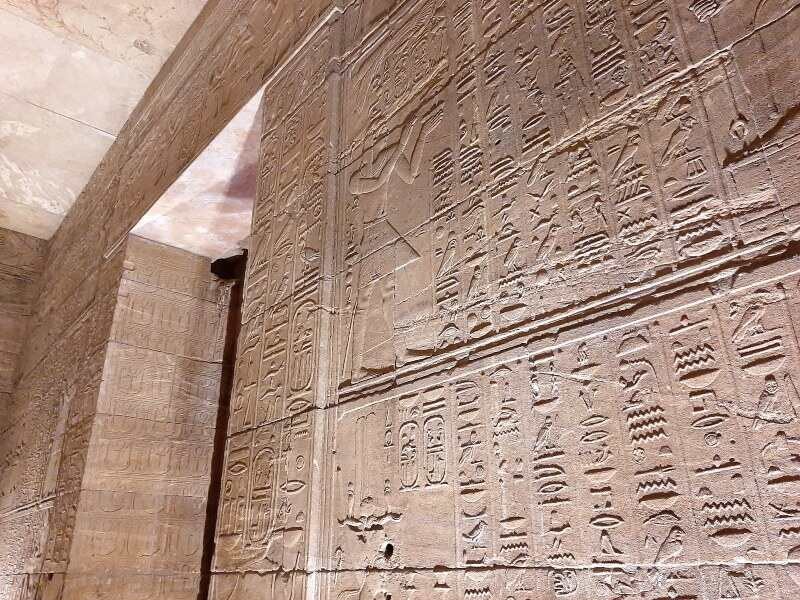
Regardless of its little size, Deir El-Shelwit is a critical remnant of old Egyptian history, offering important experiences into the 26th tradition's creative achievements and strict convictions. The sanctuary is arranged in a distant region and is seldom visited by sightseers, yet endeavors are in progress to advance it as a vacationer location and protect its social and verifiable importance.
All in all, Deir El-Shelwit is a remarkable example of old Egyptian workmanship and engineering. As additional individuals find its cultural and verifiable importance, turning into a more famous vacationer destination is certain.