Egypt's location in Africa is on the northern side, and in Asia, it is on the southwestern side. Most of Egypt's land is found in Africa. The only part that finds itself on Asia's continent is Sinai. It should be noted that Egypt is part of the Arab world and the countries of the Middle East.
If you're looking for an exciting travel destination, look no further than Egypt! This North African country is home to some of the world's most amazing ancient ruins, stunning natural scenery, and hospitable people. And with Egypt luxury tours from companies like Luxury Travel Egypt, you can experience all of this and more in style.
On the northeastern side, Egypt is bordered by the Gaza Strip and Palestine, by the Red Sea on the eastern side, and on the southern side, it is bounded by the State of Sudan. On the west, Egypt shares its borders with the State of Libya. On the northern side, there is the Mediterranean Sea. The Sinai Peninsula is a land bridge connecting Egypt to the continent of Asia. Mount Catherine is one of Egypt's highest. The lowest spot in the Republic is called the Qattara Depression. Its location is at a drop of about 133 meters below sea level. No matter what your budget or interests are, there's an Egypt tours that's perfect for you.
The significance of Egypt's location
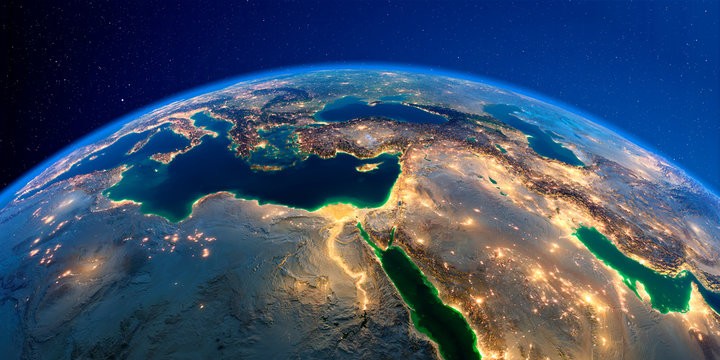
Egypt is regarded as an international nation due to its advantageous position. It is situated at the intersection of three continents: Africa, Europe, and Asia. Egypt benefits from its physical proximity to some of the world's most important water basins, including the Mediterranean Sea and the Red Sea. The geographic position of Egypt drew several ancient civilizations, which had an impact on a number of fields, the most significant of which being agriculture and writing.
The climate of Egypt:
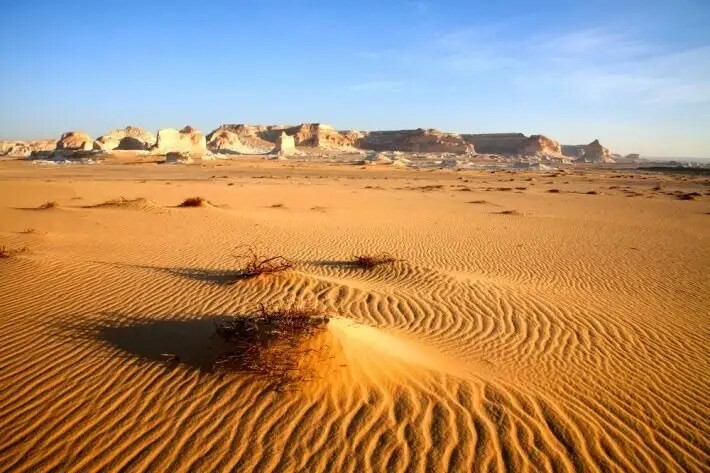
Egypt's land is mostly desert, and extremes characterize the country's climate. As precipitation levels decrease, continuous changes in daily and seasonal temperatures are observed, and the weather is sunny most of the year. The environment in Egypt is divided into three main types:
The Mediterranean climate on the northern coast
Both the areas of Alexandria and Marsa Matruh have this climate, and the winters there are somewhat chilly and resemble the springtime. High humidity and temperatures both contribute to its characteristics.
Desert climate in the interior
In terms of extremely high temperatures and little precipitation, the summer climate of the interior areas frequently resembles that of the desert. The sun's beams are scorching during the day, and temperatures rise towards the south. Temperatures will sharply drop down because of the cool evening air and moderate nighttime temperatures. There is certain to be a trip that is ideal for you, regardless of whether you are seeking for opulent Egypt travel packages or a more cost-effective choice.
The climate of the Red Sea coast
Regarding the absence of rain, the coast of Hurghada has a climate that is quite similar to that of the interior parts of the country, with the exception that it is colder and more humid. The shore may have scorching, dry summer days due to the sea's presence if winds from the desert blow.
Egypt's natural resources
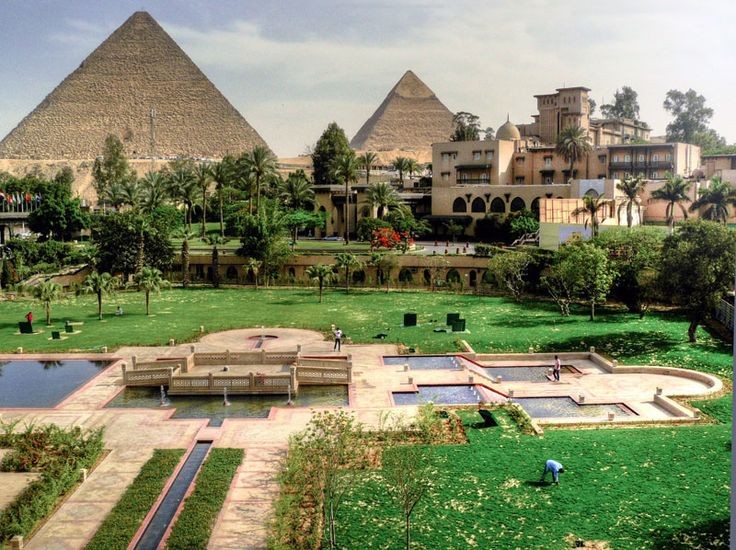
Egypt contains many significant natural resources. which gives it additional location importance, including the following:
- Oil and natural gas: Egypt contains quantities of Oil and natural gas, and it exports a large part of it to many neighboring countries. Egypt opened new oil fields at the bottom of the Mediterranean Sea, reviving Egypt's oil export activities. Egypt's last oil reserves amounted to about 3.7 million barrels, but this rate has now doubled.
- Minerals and other natural resources: Egypt contains several minerals, including iron, phosphate, manganese, limestone, gypsum, asbestos, and zinc. Undoubtedly, these minerals contributed to the prosperity of the Egyptians in ancient times.
- Honey: Egypt has been famous for beekeeping since ancient times. Egyptian honey was famous for medicinal purposes, and lotus flower honey is considered the most expensive honey in Egypt.
- Papyrus: The Egyptians were famous for pioneering the papyrus-based paper industry. It brought them significant profits. They kept the method of manufacturing this paper for themselves and did not tell anyone how to make it.
- Nile River: The Nile's water is considered one of Egypt's best natural resources. This river is an important factor in the development and prosperity of the Egyptian civilization because its water is used in land cultivation and the generation of hydroelectric power.
- Fish: There are many sources of fishing in Egypt. Perhaps the most prominent is Lake Nasser, the Gulf of Aqaba, and the Nile River. There are also a variety of fish species in them. Fishermen have been keen to invest in fish farming to increase productivity. This sector has witnessed rapid growth since its inception.
- Plant and animal life in Egypt Egypt's plant and animal life vary greatly; this makes for an environmental life balance, as more than 250 plant species appear in the tropics and subtropics. papyrus plants, and despite Egypt's lack of forests, it contains vast groves of palms and citrus fruits. Cypress and eucalyptus trees cultivate large areas of each spread many types of animals, such as sheep, goats, and camels. In Egypt, wild animals are few, except for hyenas, jackals, and lynxes. In addition to that, about 300 species of birds fly in the skies of Egypt. They are raised for breeding purposes. As for water wealth, the waters of Egypt are rich in thousands of species of fish and mollusks. It also contains one of the most beautiful coral reefs in the world. It is a source of attraction for divers, with more than 1.4 million species.