Introduction: A Living Soul of Cairo
Tucked away in the heart of Islamic Cairo, Khan El Khalili is not just Egypt’s most famous market—it’s a world of its own. With winding alleys echoing with centuries of trade, spiritual energy, and cultural fusion, visiting this historic bazaar is like stepping into a living time capsule. Whether you’re coming for the souvenirs, the stunning architecture, or just to people-watch over a cup of mint tea, Khan El Khalili offers a deeply immersive experience that reflects the very essence of Cairo. This guide takes you beyond the usual tourist checklists to reveal the true local heartbeat of the Khan.
A Walk Through History: Where Trade Met Civilization
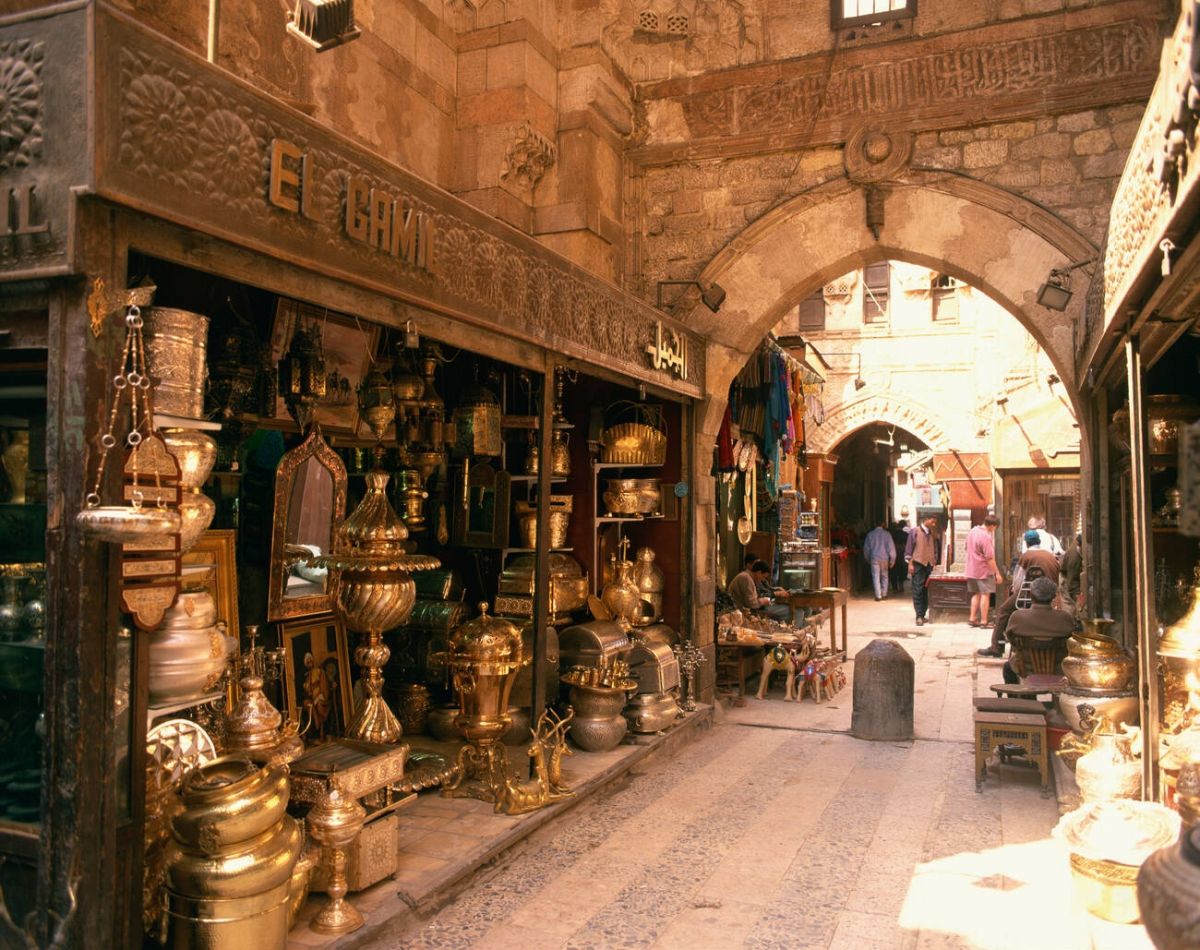
The origins of Khan El Khalili go back to the 14th century when Emir Djaharks El Khalili—under the rule of the powerful Mamluk Sultan Barquq—established a caravanserai or trading lodge on the ruins of a Fatimid tomb complex. Back then, Cairo was a central point in global trade routes connecting Africa, Asia, and Europe, and the khan quickly became a vital hub where spices, gold, silks, and precious stones exchanged hands.
Over time, the bazaar grew organically. Ottoman influence introduced arched wooden mashrabiyas and domed ceilings. Later, under Egyptian rulers, artisans and guilds settled in, passing their crafts down through generations. Each alley within Khan El Khalili now tells a chapter of history, from Islamic dynasties to French and British encounters.
Today, it stands not just as a market, but as a preserved piece of Egyptian cultural and economic history—where every stone has a story, and every artisan is a link in a centuries-old chain.
How to Get There: Access Made Easy
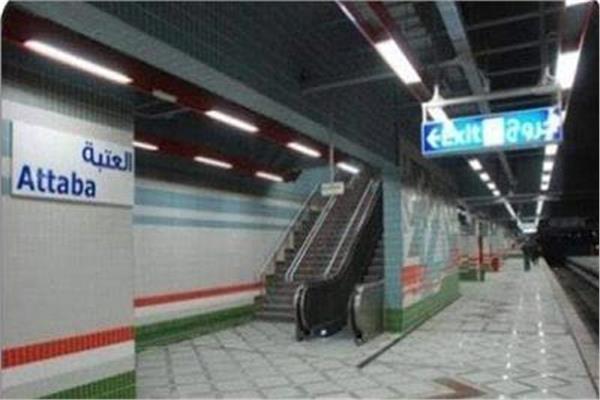
Reaching Khan El Khalili is relatively simple, whether you're a solo traveler, part of a group tour, or an adventurous backpacker.
🚇 By Metro: Take Line 1 to Ataba Station, then either walk for 15–20 minutes through downtown or take a short tuk-tuk ride.
🚖 By Taxi or Uber: Ask the driver to drop you near El Hussein Mosque or Al-Azhar Mosque—both are just a minute away from the bazaar.
🚶 On Foot: If you're exploring Islamic Cairo, it’s a short and scenic walk from El Moez Street or Bab Zuweila.
Pro Tip: Go around 4:00 PM, enjoy sunset prayers at nearby mosques, then stay till nightfall when the lanterns light up and the bazaar truly comes to life.
What to Do at Khan El Khalili: More Than Just Shopping
Shop Like a Local
The market is a paradise for souvenir hunters, but for locals, it’s a treasure trove of traditional Egyptian craftsmanship. From delicate silver jewelry and hand-engraved copper plates to inlaid wooden boxes and scarves made of pure Egyptian cotton, you can find authentic pieces at every corner.
Don’t miss:
Perfume shops offering scents like amber, musk, or the legendary lotus flower.
Spice merchants with towers of cumin, hibiscus, anise, and cinnamon.
Calligraphy and papyrus stores selling art made with ancient Egyptian techniques.
Bargaining is not just allowed—it’s expected. Start with half the asking price and enjoy the friendly back-and-forth. It's all part of the cultural dance.
Sip Time-Honored Tea at El Fishawy Café
Café El Fishawy has been serving mint tea and Turkish coffee since 1773, making it one of Cairo’s oldest and most beloved coffeehouses. Nestled in a tight alley and lit with antique lanterns, it’s a meeting place for poets, thinkers, and travelers. Famous Egyptian writer Naguib Mahfouz was a regular here.
Take your time, order a shisha, watch the crowds go by, and let the atmosphere sink in—it’s one of the best ways to connect with the soul of Cairo.
Explore Religious & Architectural Gems
Right around the corner you’ll find:
Al-Azhar Mosque (est. 970 AD): A cornerstone of Sunni Islamic learning.
Al-Hussein Mosque: A site of deep spiritual significance, especially during Islamic festivals.
Beit El Seheimy & Sabil-Kuttab Museums: Restored examples of Islamic urban homes and public schooling from the Ottoman period.
What to Eat: Street Food & Traditional Delights
Khan El Khalili isn't just a feast for the eyes—it’s one for the stomach too.
Grab a hot koshary (lentils, rice, tomato sauce, crispy onions) from a street vendor.
Try hawawshi (minced meat in crispy bread) or shawarma wraps served fresh.
Don’t skip basbousa and baklava for dessert from the nearby sweet shops.
There are also several hidden rooftop restaurants where you can enjoy a meal with a panoramic view of Islamic Cairo’s minarets.
Street Life & Art in Action
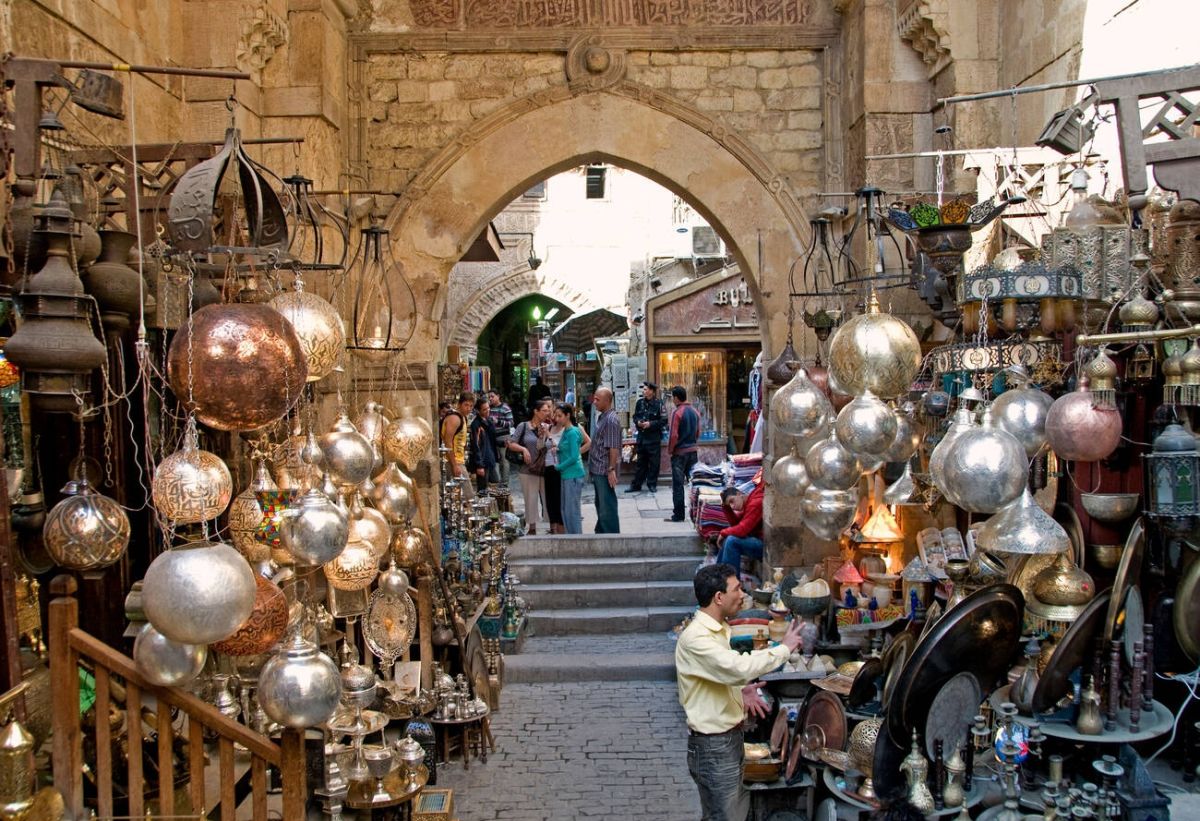
What sets Khan El Khalili apart is the performance of everyday life. You’ll see:
Traditional craftsmen making jewelry, lamps, and brasswork on the spot.
Calligraphers writing your name in Arabic or ancient hieroglyphs.
During Ramadan or national holidays, you might witness folk musicians, dervish dancers, or Ramadan lantern parades lighting up the streets.
Every corner is a photo opportunity, every alleyway a new rhythm.
Local Tips & Etiquette
Carry small cash: Many shops don’t accept cards or may not have change.
Be respectful when photographing people—always ask first.
Dress modestly, especially if entering mosques or religious areas.
Hydrate—especially if visiting in summer, the stone-paved alleys can get warm.
Go beyond the main path: The side alleys hold some of the most authentic finds and friendliest shopkeepers.
Nearby Attractions to Complete the Day
Make a day out of your Khan El Khalili visit by including nearby gems:
El Moez Street: A living museum of Islamic architecture, beautifully restored and lit up at night.
Wekalet El Ghouri Arts Center: Home to mesmerizing tanoura (Sufi whirling dance) shows—free and unforgettable.
Sabil-Kuttab of Katkhuda: An example of charity and architecture merged into one beautiful Ottoman-era building.
Final Thoughts: A Timeless Market with a Living Heart
Khan El Khalili is more than just Cairo’s oldest bazaar—it's a crossroads of cultures, a celebration of craftsmanship, and a mirror reflecting Egypt’s layered identity. Walking its stone-paved alleys, hearing the rhythmic clinking of copper being shaped, sipping tea among locals, and watching history unfold in every corner is an experience unlike any other.
Whether you’re shopping for keepsakes, capturing the magic with your lens, or simply seeking a deeper connection with Egypt’s past and present, Khan El Khalili promises you a journey that’s not just memorable—but meaningful.