The role of the pharaohs in ancient Egypt
The ceremonies and responsibilities of kingship had a religious element since the ancient Egyptian state developed within the context of religion. Religion came to be the foundation of the state because the King was respected both during his lifetime and after his passing. It was seen by the ancient Egyptians as a sure sign of the continuity of life and the stability of the cosmos. As a result, people participated in building its palaces, temples, and permanent residences with a degree of conviction that demonstrated how deeply they believed in the superiority of its rank. The pharaoh governed all of Egypt's territory, conducted war, collected taxes, and administered justice. All of this historical knowledge will be more relevant and obvious if you choose to join an Egypt tours.
The pyramids were a clear physical expression of the sanctity of the monarchy in ancient Egypt. Whatever it's worth, anything connected to the King became hallowed. His crowns, scepter, and all his insignia are heavenly. The matter reached the point of the ancient Egyptian belief that the "other world" for kings differs from the familiar people. If you are interested in discovering the Giza pyramids, I suggest booking our Giza day tours, to discover the secrets of ancient Egyptian pharaohs, you can use your time in Giza and take a quad biking day tour in Giza pyramids you will find all resources available for entertainment during our Egypt day tours.
If kings died, their souls ascended to the high heavens; if the aware people died, they would rest in the earth's interior. The matter reached the point of adapting religion in the service of politics. Still, the priests, followers of the local Egyptian gods and the goddess of the defeated regions, resorted to a trick that prevented the extinction of their beliefs in the isolation of their gods by declaring that their gods were merely hypostases of the main god, not differing with him in essence.
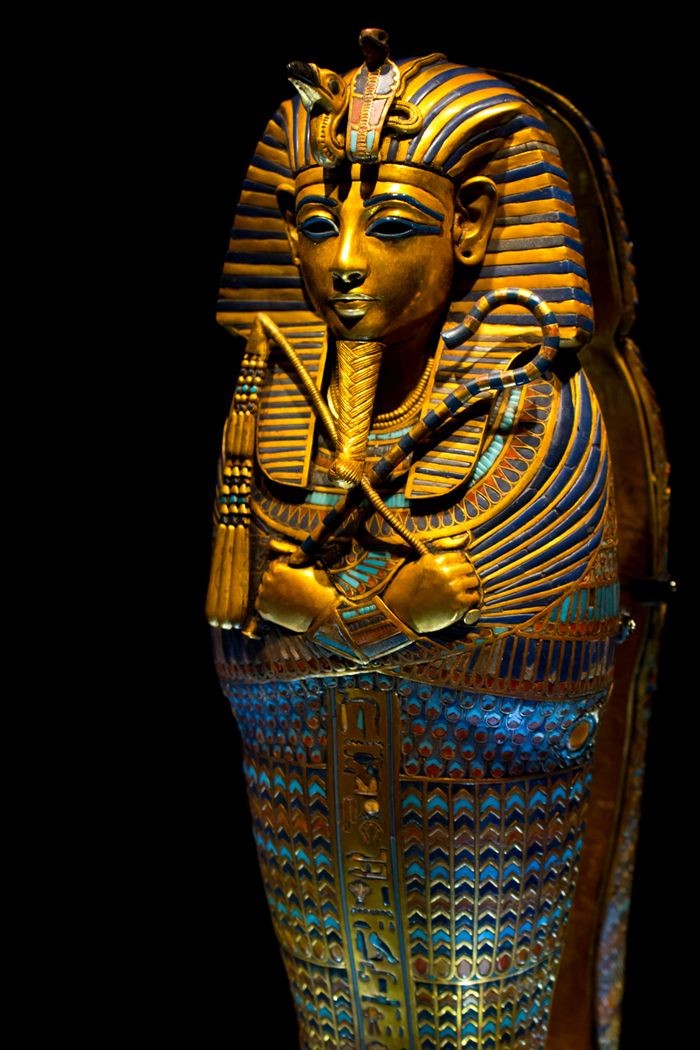
To ensure the continuation and consolidation of this belief, the kings made the temples under their authority. The King used to appoint the chief priests of the major temples, and he was the one who supervised, through his administrative apparatus, the works of buildings and constructions of the temples and managed their properties of land and herds. He had the right to inspect their treasuries.
In general, the King in ancient Egypt had unique features in the eyes of his subjects, what those close to him portrayed him, and what he spread about himself. These features directly impacted the country's political life during the past centuries. If you are a historical person, you will enjoy our Egypt travel packages, especially Luxor, this city is rich in temples and the secrets of the ancient kings, so I advise you to check out our Luxor day tours too.
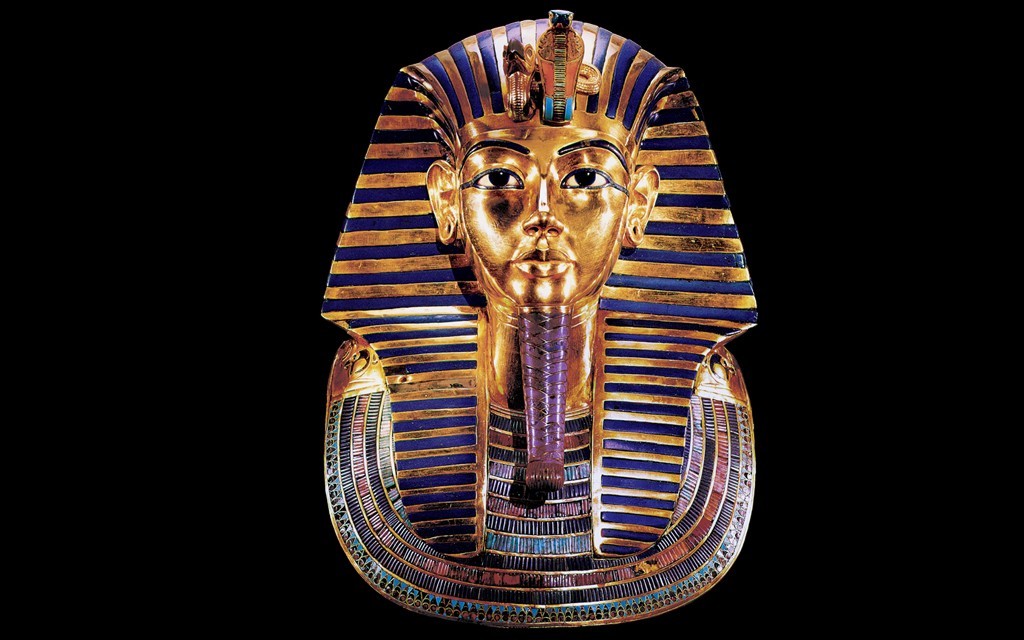
These features can be mentioned as follows:
- He is a divine, holy personality. Therefore, addressing him directly is inappropriate. However, it is permissible to speak in his presence without addressing or approaching him, not even under his shadow, which also enjoys sanctity. This means that the King cannot be opposed, no matter how wrong or unjust his policy is.
- He has divine knowledge, which makes him aware of every hidden thing. Hence, no one can think of conspiring against him, or forming an organization opposing him, because the King will expose this organization and punish those who develop it.
- Everything he says is enforceable and must be fulfilled immediately because his will is the law and has the same power as religious belief. And because the King is free from errors and sins, the Egyptians have no choice but to submit to him, obedient to his orders. Read more about our Egyptian mythology and discover the most famous Egyptian myths like isis and Osiris.
- In the presence of the King, there was no need for political institutions. What he says dispenses with the detailed legal rules, and what he sees reduces many of the roles of political and social bodies. It is a sin to enact what may restrict the King's power and might. Therefore the judges used to rule according to the local customs and traditions they deemed to be following the royal will. They may change these rulings if the King chooses because he is the source of legislation in whose name the judiciary must rule.
- There is a collective recognition that the royal will does nothing but good and seeks only help from everything, and therefore it should not be opposed to its choice or the complete conviction that it is the only link between people and gods. Who knows the desire of the latter and works to achieve it? Finally, Don't miss checking our on your Egypt blogs to discover more and more about the Power of Pharaohs.