The Pyramid of Djedefre, located only north of the Great Pyramid of Khufu, is perhaps of the most famous landmarks on the world. This old pyramid is an interesting piece of history that offers bits of knowledge into the past. In this article, we will dive into the set of experiences and meaning of the Pyramid of Djedefre, and its uniqueness contrasted with different pyramids of the Fourth Dynasty.
A brief history of the Djedefre Pyramid
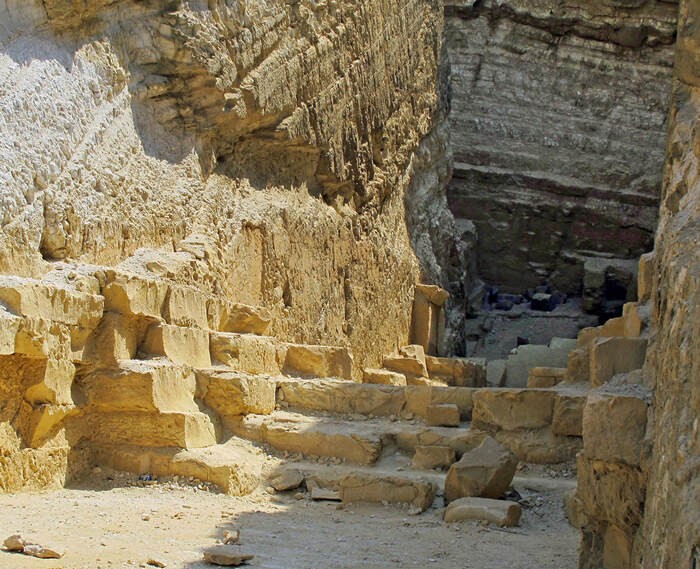
The Old Kingdom of Ancient Egypt's Fourth Dynasty, which ruled from 2613 BCE to 2494 BCE, is when the Pyramid of Djedefre was constructed. This pyramid was erected in Abu Rawash, some 8 kilometres (5 miles) north of the Giza plateau, by Djedefre, the son and successor of Khufu, who built the Great Pyramid of Giza.
The pyramid was never finished and was originally planned to be 78 metres (256 feet) tall. The pyramid was abandoned and left in an incomplete form because the rocky plateau on which it was constructed produced structural problems during construction. Afterwards, it was stripped of its casing stones and utilised as a source of building materials for other buildings.
The architectural and engineering brilliance of the Pyramid of Djedefre is evident despite its incomplete state. Its construction involved a series of ramps, and polished limestone lined the inner rooms.
The Pyramid of Djedefre's Importance
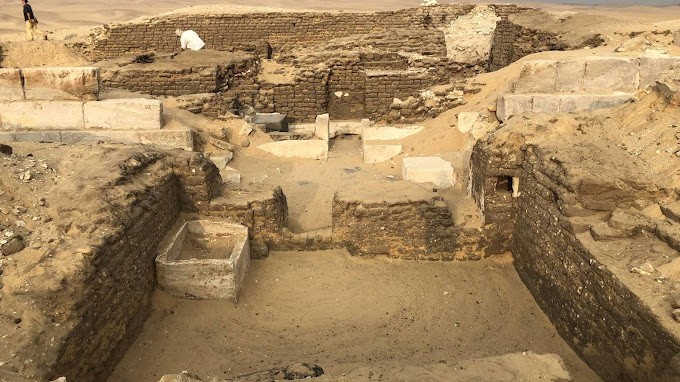
The Pyramid of Djedefre differs from other Fourth Dynasty pyramids in a number of distinctive ways. As it was built at a greater altitude than any other pyramid, it could be seen for a very long time. The architecture of the pyramid comprises a smaller satellite pyramid to the east of the main pyramid and a temple.
The Pyramid of Djedefre's internal inscriptions imply that a tomb was not its original use. Djedefre saw himself as the earthly manifestation of the deity Ra, hence it was intended to be a site of devotion for Ra.
The Fourth Dynasty political and social environment in Ancient Egypt is also shown through Djedefre's pyramid. Political unrest and turbulence characterized Djedefre's reign, and it's possible that he built his pyramid with the intention of establishing the legitimacy of his rule and securing his place in the line of succession.
Conclusion
The Djedefre Pyramid offers evidence of the Ancient Egyptians' intelligence and inventiveness. The pyramid is nonetheless a remarkable window into the political, technical, and architectural prowess of this ancient civilization despite its incomplete status. For anybody interested in the history and culture of Ancient Egypt, the Pyramid of Djedefre is a hidden gem worth discovering as one of the less well-known Fourth Dynasty pyramids.