Secrets of the Pyramids
The pyramids specially the great pyramids of Giza have been there for thousands of years, and many questions remain, and the whole world has wondered about the secrets of the pyramids. These huge structures are the center of mystique in Egypt, indeed, man is left spellbound.
Some great questions exist that need to be answered, How pyramids were built? how this structures meant to stand for ages, and why were the pyramids built ? The Secrets of the Pyramids have fascinated historians and researchers for centuries.
But the most wondered question is, How did the ancient Egyptians build the pyramids without modern technology? If you love exploring the entire Giza Plateau in style, the Between the Sphinx Paws a luxury tour lets you enjoy the best of this wonder while uncovering its secrets.
This is the day when mention of the pyramids will be appreciated less for their magnificent enigma and more for the amazing knowledge such a remarkable testimony offers. Here, an attempt is made to explain these matters in layman's terms, so that the Googlebot can help anyone access the contents easily.
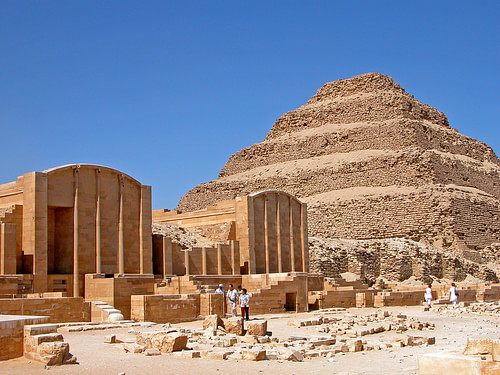
How Pyramids Were Built?
One of the most commonly asked questions is “How did the ancient Egyptians build the pyramids without modern technology?” or, more generally, the question of how the pyramids were built ? It is said that the answer is surprising, as they actually used simple tools, but their methods were very shrewd.
Limestone and granite blocks were hammered into shape with copper chisels and stone hammers. To then move these huge blocks, they allowed a worker to give them true direction and kept them pushed in exactly the same spot. According to some studies, workers pressed water against the sand to make it smooth and stick to the sledge with less friction.
A significant element in pyramid construction is the ramp system. It is inferred that there were long ramps parallel to the outer surface of the pyramid or maybe ergonomically inclined ramps spiraling up inside the structure. Ramps made it possible to drag stones higher and higher to the pyramid's great height. They worked under the pyramids in small teams without requiring huge cranes and machinery for this sophisticated construction.
No way are the workers themselves slaves, as is commonly thought. Rather they were skilled architects, engineers, and farmers who worked within teams. They stayed in neighboring villages with medical attention, and good food. Hard work, team spirit and perfect coordination are what made the pyramids stand the test of time over thousands of years.
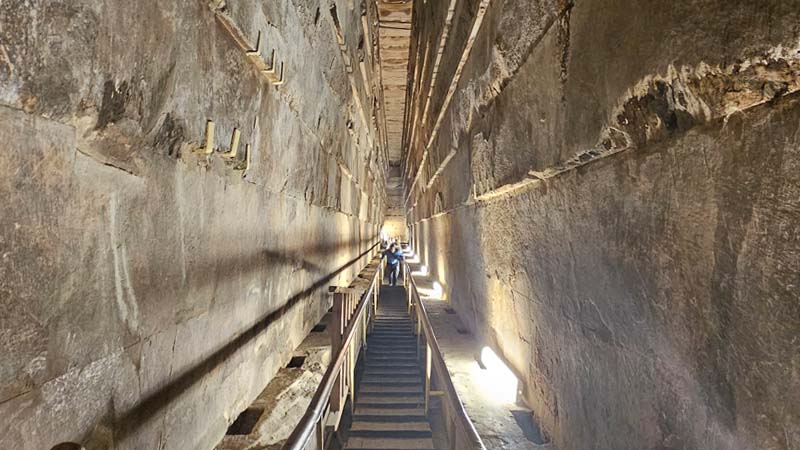
Why the Pyramids Were Built and What Their Purpose Was?
The next question that sparks curiosity is, why were the pyramids built, and for what. Constructed as testimonies to some spiritual belief, they were not just any mere mirrors. The ancient Egyptians believed in an afterlife, and when the kings were buried in the pyramids, so were their bodies, as well as their other riches, to lead them into their afterlife.
This is why the Great Pyramids (or any pyramid) was built what was its purpose? The shape of the pyramid was the result of expert symbolism. Its pointed shape could arguably be considered to lead the souls. Egypt holds dear the opinion that the structure of the pyramid's acted as a guide to the stars, sending the soul of the pharaoh into the sky.
The alignment of the pyramids with the four cardinal directions north, south, east, and west shows the great accomplishment sprawling Egypt thereby becoming advanced in astronomy and mathematics. As already mentioned, every dimension was planned to serve as cartful portrayal of achieving spiritual and symbolic purpose.
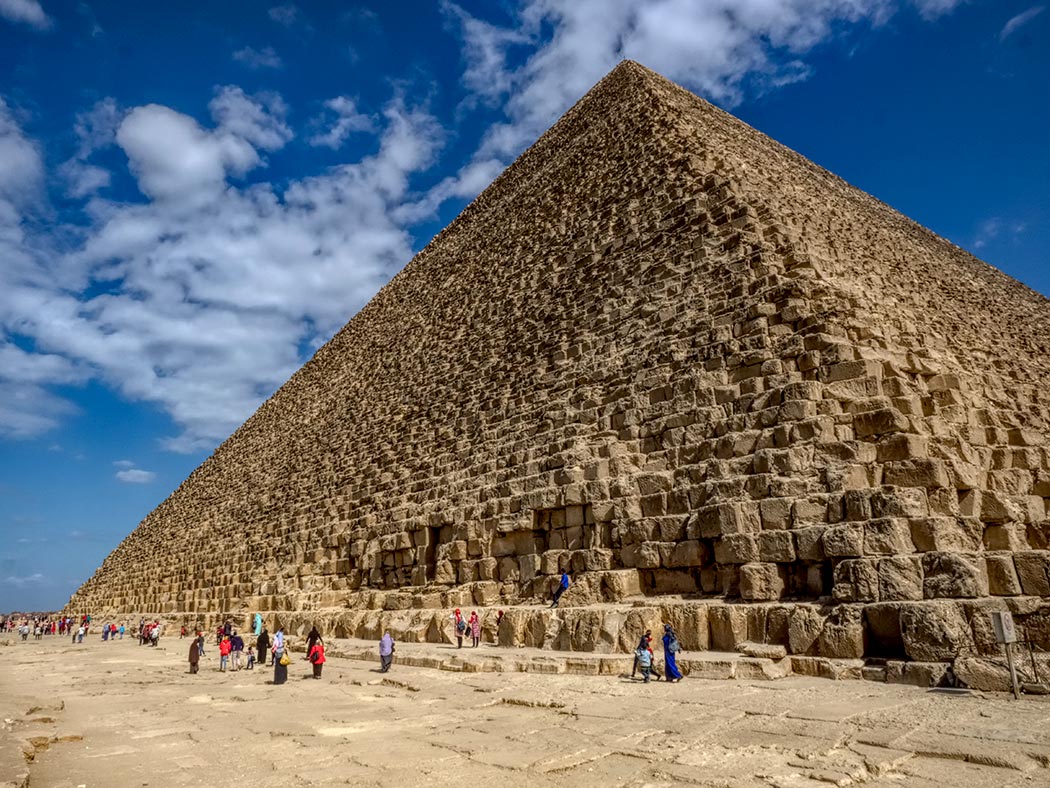
Power was being exhibited by the pyramids. Why did anyone embark on such a grueling enterprise merely to make a place for the Pharaoh and symbolically showcase the unity of Egypt? Every person thinks that by honoring their king in such a sublime structure, they will be keeping the pillars of the world in order. By doing so, they made their ruler into a living saint and eternalized the very structure of society. Enduring symbols of human ambition, of human devotion to self, and of the aspiration to traverse the mundane into the eternal these and perhaps a thousand other qualities are astrologically packed into every milestone.
And so they lay there, in the conception and the mind of those who hold to some degree of wonder themselves, telling of the civilization that built these remnants refreshing through the centuries.