Women in Ancient Egypt: Voices That Shaped a Civilization
The civilization of Ancient Egypt was famous for its powerful rulers, rich culture, and complex religious practices. Even though the pharaohs were the ones who usually drew the most, in fact, women exercised almost the same degree of power over Egyptian society. Women in ancient Egypt occupied a very important position in politics, religion, and the arts from ruling queens to priestesses with high worship. In this article, we will dive into the history of Cleopatra of Egypt, Hatshepsut queen of Egypt, and the revered priestesses of Egypt, focusing on how female pharaohs of ancient Egypt power shaped the history of ancient Egypt.
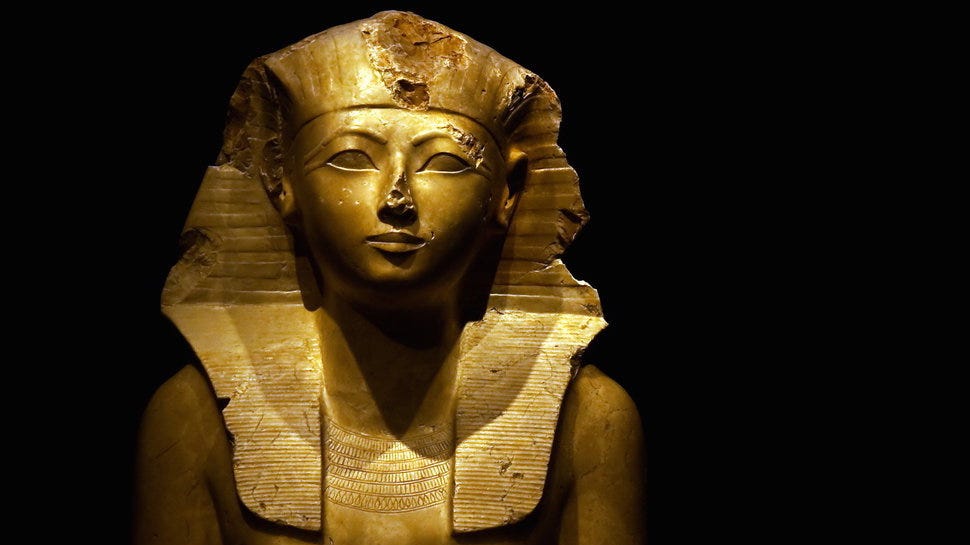
female pharaohs of ancient Egypt
Queens were not only the consorts of the pharaohs, most of them were very powerful and even ruled as queens in their own right. Cleopatra of Egypt is probably the most famous queen, who is recognized all over the world for her intellect, diplomacy, and marriage through political means with Julius Caesar and Mark Antony. She showed that a woman could be at the same time a political ruler and a sign of the Egyptian identity, mixing power with charm in order to keep her country’s independence.
Another iconic figure, Hatshepsut queen of Egypt, broke traditional gender barriers by ruling as pharaoh in her own right during the 18th Dynasty. Her participation in the building of giant structures, expansion of the trading routes, and turning Egypt into a wealthy empire were all her works. The time of Hatshepsut’s reign points to the fact that the female pharaohs of ancient Egypt were more than just symbols; they could really exercise considerable political and economic power. Even lesser known queens, such as Nefertiti and Ahmose-Nefertari, played essential roles in religious and political life.Their supremacy and solidarity in diplomacy, temple rituals, and inheritance made old women very active and powerful in Egyptian statecraft.
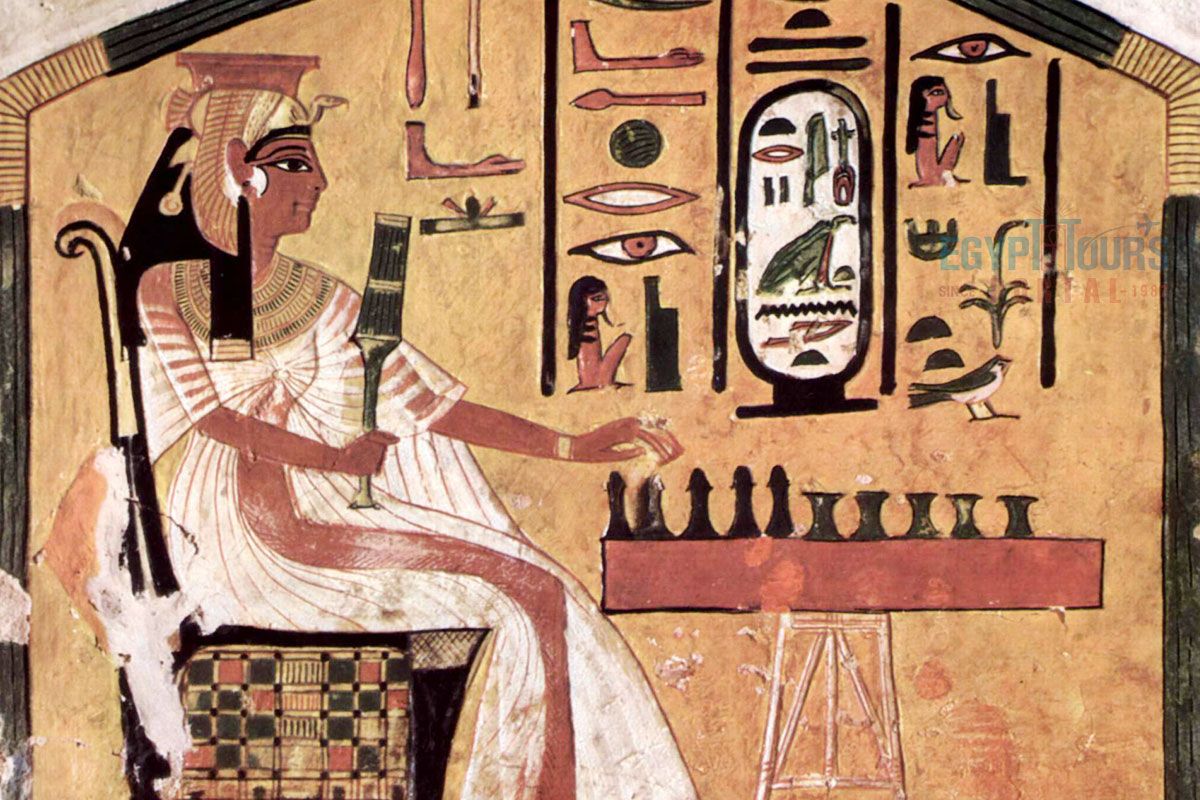
Egyptian Priestesses
Women’s power and influence were not only felt in the royal palace but also went deep into Egypt's religious life. Egyptian female priests had the power to conduct the major temple worship and even take care of the rituals and practices of the great gods such as Hathor, Isis, and Amun. The title “God’s Wife of Amun” to a priestess brought with it not only religious glamour but also political power, as the priests would recommend to the pharaohs and act as the gods' and men's connectors at the same time.
The priestesses were usually from the upper class families which made sure that religion and politics were always the same thing. The very existence of priestesses in the sacred role helped to empower women in religion, as well as in the other domain. The women’s role was significant, so to say, in the spiritual life of the ancient country, since their rituals, prayers, and temple leadership that were very much needed by the country for its spiritual and cultural stability.
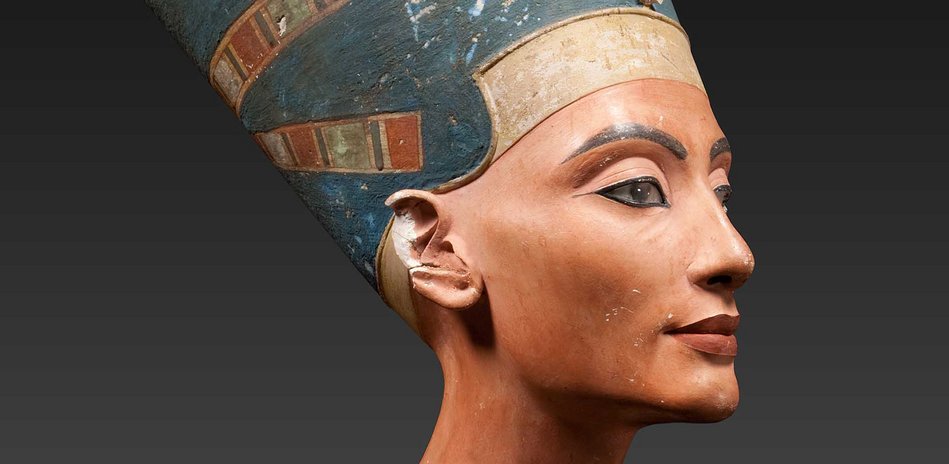
Female Pharaohs of Ancient Egypt
In addition to their political and religious power, these extraordinary women had a great impact on the society, culture, and history of their time. They were queens and rulers like Nefertiti and Cleopatra who not only wielded power over the kingdom but also used their influence in daily life, legal matters, and cultural practices. They built vast temples, patronized the arts, and even took part in significant rituals thereby, giving a new identity to Egypt’s culture for ages.
Queens of ancient Egypt ruling made a big difference to the situation of women in society and proved that they could at the same time have political, spiritual, and cultural powers. The tales of these monarchs are still motivating and the roles of women in ancient Egyptian civilization are always highlighted as extraordinary. The influence of women ranged from diplomacy and temple rituals, through art and society to being a political power and thus their impact became a potential symbol of history. The characteristics of ambition, strength, and vision certainly accompanied that influence.
Goddess Worship in Egypt
goddess worship in Egypt was very important in the ancient Egypt religion, and as a result, women were at the center of it, taking part in the rituals and ceremonies that were performed in the temples and offered to the gods like Isis, Hathor the Goddess of Love and Beauty, and Sekhmet. Not only priestesses, queens, and female rulers but also the political authority connected the spiritual realm and led both religion and society. These women through temple management, festivals, and being the patrons of artists, they were the ones who drove the cultural changes and saw the divine feminine power getting stronger. Some examples of women like Cleopatra, Hatshepsut, and many priestesses who were there at the time, reveal the extent to which women were involved in religion, culture, and politics in Egypt, and the issue of their legacy that has still not been resolved as it is a source of inspiration for us today.