"Var Maka"... a word that may appear from its two syllables to be something that leads to healing, such as a drug or medicine; these two words are in hieroglyphs meaning "Healing Grantor." What is the relationship between this hieroglyphic word and the sciences of "Pharmacology"?
When we investigate the reality of pharmacology, it will be discovered that Ancient Egypt was famous for its abundance of drugs and poisons, you will notice that during your Aswan and Luxor day tours the paintings on the walls of temples. The pharaohs were the first to diagnose disease; they devised ways to treat it through the surrounding environment, from herbs, plants, and organic and mineral materials. They knew the methods of medicine, manufactured drugs, and prescriptions. They excelled in pharmacological sciences, so their treatment and medications were similar to what we are now. They used mixtures, ointments, and enemas put drugs in them, and cared more about herbal therapy. Our tour guide will show you more evidence and tell you more legends that are popular for pharaohs during our Egypt luxury tours.
Away from the talk of historians, and the meanings of speech, because it certainly may bear interpretation and controversy, there are sources more affirming the genius of the ancestors, as the pharaohs left a legacy that shows how the level of medicine, treatment, and chemistry in Egypt.
A large number of papyri called "Egyptian Medicine Papyri" tell many therapeutic recipes and how to install them, which reveals a civilization reached its peak. We will tell you about their history in medicine in our Egypt tours.
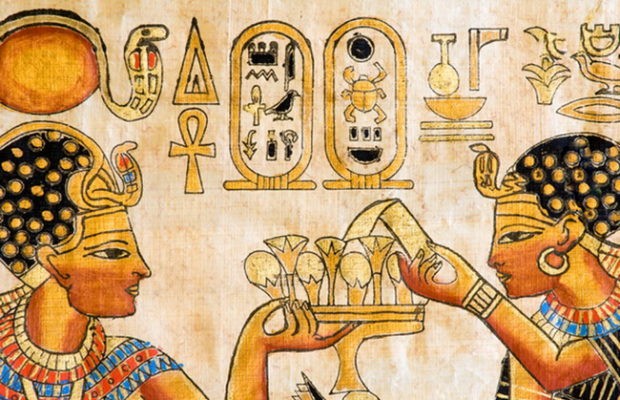
Popular Ancient Egyptian Drugs
Pictures of the cannabis plant from which hashish and banjo are extracted have been found in many manuscripts and inscriptions. They knew the difference between the male cannabis plant and the female one and preferred the female plant for its quality. However, there is very little evidence that the ancient Egyptians cultivated cannabis, Physical proof of the presence of cannabis in the composition of Egyptian medicinal drugs was available. With an impeccable degree of credibility: remnants of the cannabis plant were discovered inside the tomb of Akhenaten in Royal Wadi at Amarna one of the most interesting Eygpt classic tours, which dates back to around 1350 BC, and remains of cannabis powder were found in the tomb of Pharaoh Ramesses II the most famous tomb in the Valley of the Kings located in Luxor's west bank and one of the must-see attractions in Egypt day tours. Hashish was an essential element in the ancient Egyptian pharmaceutical arsenal until the end of the Pharaonic era. Treatment with it was applied by all possible means by putting it in the mouth, and anus, using it directly on the skin or eyes, or even by burning it and fumigating the house with it.
In the ancient Pharaonic Epuer Papyrus, from more than 1550 BC, a therapeutic description of many plants, such as the use of the cannabis plant in treating infections and vomiting.
The papyrus indicated that this plant and others are used to treat mental and physical disorders. They interpreted the resulting hallucinations and delusions as an exorcism of evil spirits residing within the patient. They did not believe that the plant was the cause of this condition. And in the third papyrus, Ramesseum 1700 BC, a medical prescription where cannabis is mentioned and used in treating glaucoma (an eye disease). He has a temple in his name Ramesseum temple situated in Luxor.
And among what was mentioned in the papyri in the field of treating eye diseases is the following paragraph, "A treatment for the eyes: celery; hemp. The use of cannabis in this way is no different from its modern use in treating glaucoma. In another place, the papyrus deals with the method of benefiting from the cultivated anesthetic in relieving the pain of childbirth by saying it as a recipe for cannabis rubbed with honey placed directly in the woman's vagina. A third place is exposed to a treatment for the nails by bandaging them with a piece of cloth dipped in a mixture of gum cannabis.
Are they Consuming for convenience and pleasure?
This was also present, although the primary use remained medicinal. Egyptian women used cannabis to relieve grief and overcome negative psychological states, and archaeologists have also found evidence that marijuana was consumed during religious ceremonies and rituals. More than that, the Egyptian gods themselves, especially "Sishat" and "Bastet," were also depicted consuming cannabis, which indicates a critical place occupied by this plant in the culture of the people of ancient Egypt, our tours guide will tell you all the information about this drug and other medicines during your Egypt travel packages. "Seshat," in addition to being the goddess of wisdom and the book and patronizing what was called the "house of life," was also, in a sense, the goddess of hashish. And the picture that was found engraved on one of the walls, and on top of it was a plant or a star with seven leaves that looked precisely like marijuana leaves, strong evidence of that.