Ancient Egyptian Afterlife: Beliefs and Traditions
The ancient Egyptian afterlife concept was an essential part of their culture. To Egyptians, death was merely a transition to another realm for the soul. The afterlife was viewed as an ideal existence, with no suffering and full of joy, just like the earth's life. Egyptians by their hard work in their life, virtuous conduct and observing the religious practices prepared for this journey, including practices such as mummification and afterlife preparation. They constructed temples, tombs, and even wrote inscriptions in pyramids to help souls find their way to the afterlife. The importance of afterlife preparation was so great that it affected people's lives during their lifetime, in the way they lived and the things they placed in the graves with them.
Book of the Dead and Mummification Practices
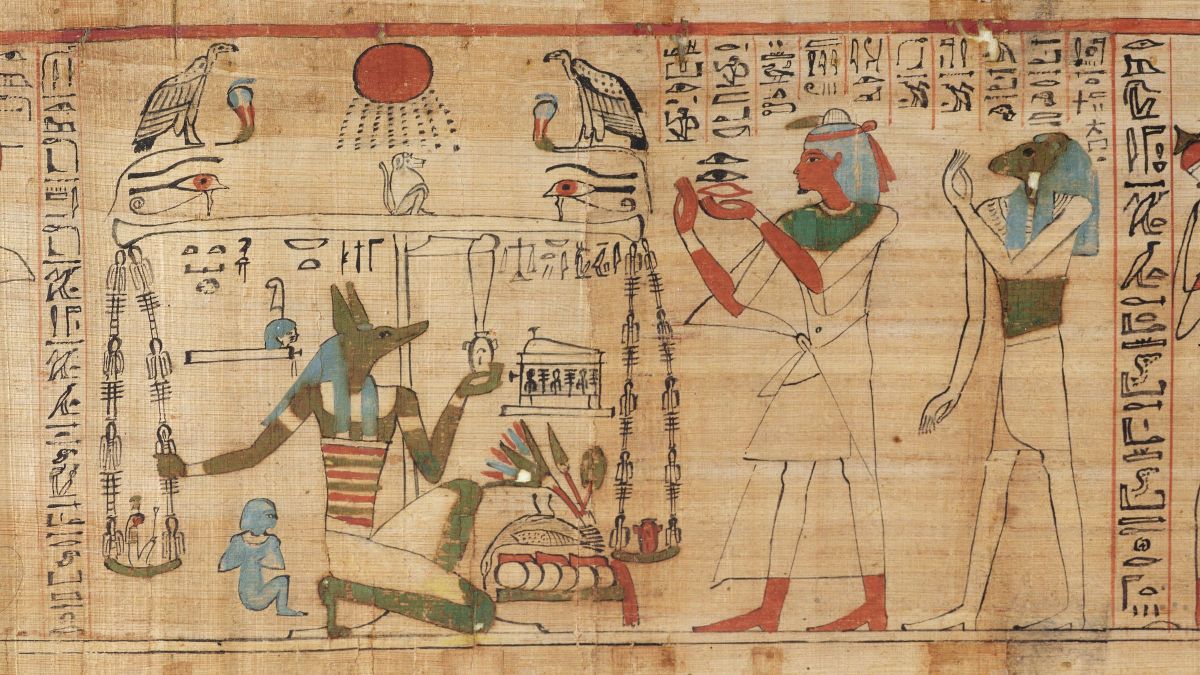
The Book of the Dead was a key guide for Egyptians, and played an essential role in going through the Ancient Egyptian afterlife. It was a collection of spells, prayers, and instructions meant to support the Akh (Ancient Egyptian soul)’s journey through the evils and to the stain of eternal life. The Egyptians also mummified the dead and went through the afterlife preparations so that the body would be picked. They thought that the soul was dependent on a corporeal body in the next world. The mummification process was very meticulous: organs were taken out, the body was dried and wrapped up with linen. Tombs were stocked with food, jewelry, and other treasures that the dead might need. The Weighing of the Heart ceremony, along with the Book of the Dead and mummification, in unison, provided the soul with a safe passage and protection in the afterlife.
Judgment in Ancient Egypt and the Weighing of the Heart
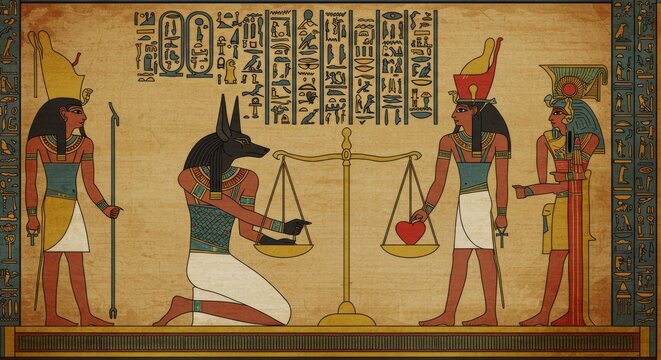
In ancient Egypt, The path to the afterlife was full of challenges, including a judgment of the soul’s deeds.This practice was commonly referred to as the Weighing of the Heart. The heart of the dead was balanced with the feather of Ma'at, the goddess of truth and justice. The soul could enter the Field of Reeds, a paradise of eternal happiness, if the heart was light and pure. In contrast, if the heart was heavy with sins, the soul would suffer punishment. The Egyptians imagined the Akh, or transformed spirit, which became immortal only if the soul passed judgment. The Egyptians were convinced that the judgment after death, supported by the divine system, would be the same as on earth, so they chose to live morally and harmoniously.
The Promise of the Ancient Egyptian Afterlife
The concepts of the afterlife as presented by Ancient Egyptians, their reliance on the Book of the Dead, the careful mummification and other burial customs, and the weighing of the heart in the moral trial are distinct signs that they revered the afterlife to the highest degree.Ideas such as the Field of Reeds and the Akh illustrate their aspirations for everlasting joy and spiritual metamorphosis. Through the knowledge of these customs, one can realize that the Egyptians not only linked their life with the next one but also contributed to the making of a rich, enduring culture, religion and art that still draws the interest of people today.