Egypt cannot exist without the Nile. Ancient Egypt's development and survival were directly influenced by the Nile River. Water for agriculture, travel, and food were all made available to the ancient Egyptians by the River.
At 4,000 miles from its source in Burundi to the Mediterranean Sea, the Nile River is the longest river in the world. The White Nile and the Blue Nile are the two principal branches of the Nile River, which runs from south to north through Egypt. Most of the water that comes into Egypt enters through the White Nile, which is the primary branch of the river. One of the tributaries of the Nile that contributes to the yearly flooding of the Nile has its origins in Ethiopia.
The yearly flooding of the Nile, known as the immersion, was basic to the agrarian progress of old Egypt. The flooding would bring rich sediment and supplement rich soil to the land, considering the development of yields like wheat and grain. The flooding likewise gave the antiquated Egyptians water for water system, making it conceivable to develop crops in the generally bone-dry desert.
The Nile Waterway likewise assumed a vital part in transportation and exchange. The Nile was utilized as a significant transportation course for products and individuals, interfacing Upper and Lower Egypt. This considered the development of gods, thoughts, and individuals all through the nation, advancing monetary development and social trade.
The ancient Egyptians obtained their sustenance from the River. The ancient Egyptians' diet included a lot of fish since it was plentiful in the Nile. A number of aquatic plants that were utilised as food and medicinal were also found in the Nile.
The ancient Egyptians also found inspiration from the Nile River. Several gods and goddesses were connected to the Nile and its yearly flooding because it was revered as a source of fertility and life. The ancient Egyptians drew their artistic, literary, and architectural inspiration from the Nile.
Nile Cruises:
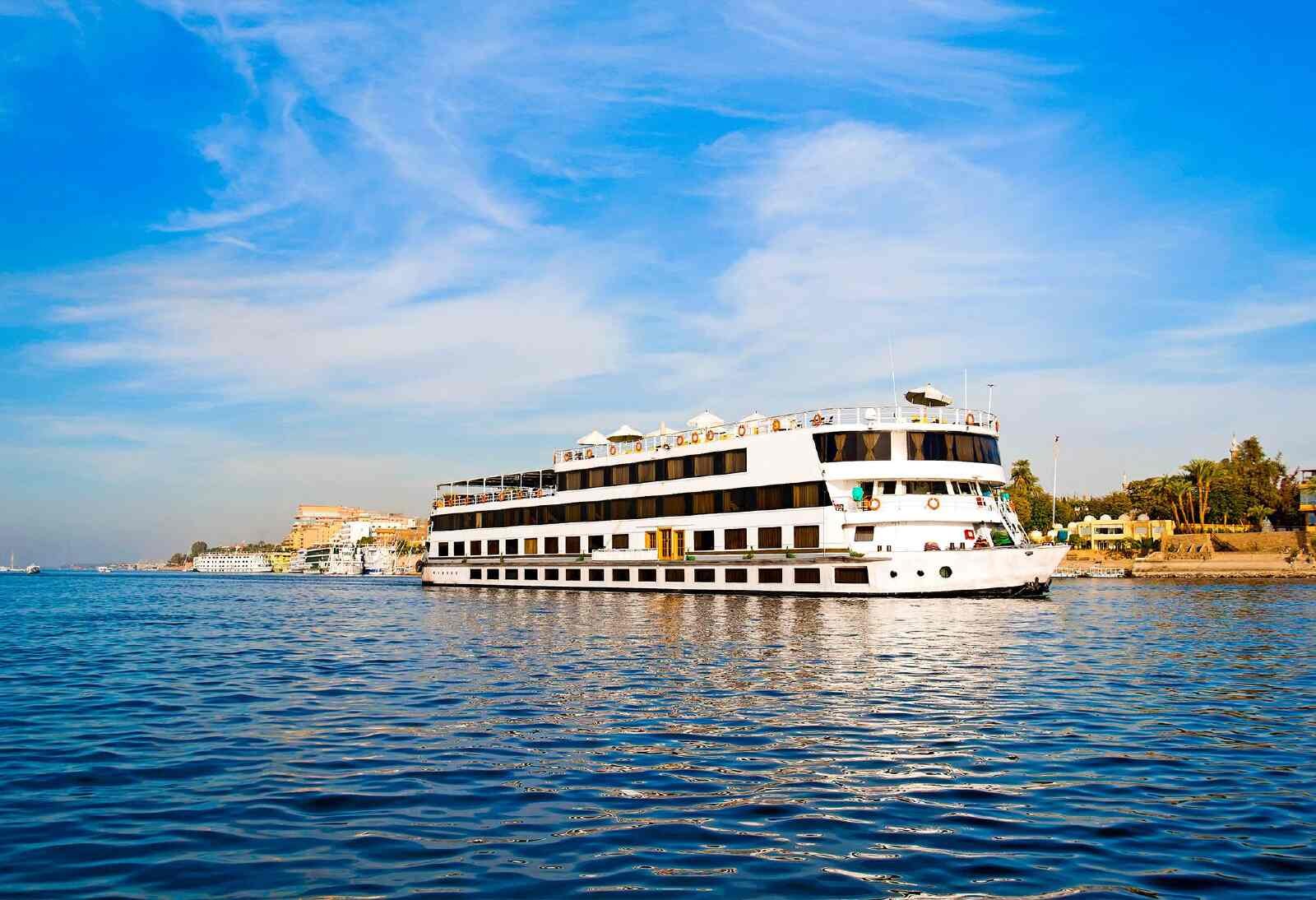
Luxor and Aswan are two of the most well known objections for vacationers visiting Egypt, and a Nile cruise is the ideal method for investigating these old urban communities and their environmental elements. The Nile Waterway is the longest stream on the planet, extending more than 4,000 miles from its source in Burundi to the Mediterranean Sea. In Egypt, the Nile Stream streams from south to north and is partitioned into two fundamental branches: the White Nile and the Blue Nile. The White Nile is the principal part of the stream and is answerable for the majority of the water that streams into Egypt.
Traditional Nile cruisers, Lake Nasser cruisers, and Dahabiya cruises are a some of the alternatives for Nile cruises. Visitors may explore the Nile in different ways while on each sort of trip, which each offers a distinctive experience.
Classic Nile cruisers are large ships with plenty of room for guests. These cruise ships often have a restaurant, a pool, and many decks. They normally go between Luxor and Aswan, stopping at a number of well-known tourist attractions along the way, including the temples of Karnak and Abu Simbel.
Cruises on the artificial Lake Nasser, which was formed following the construction of the Aswan High Dam, are a more upscale choice and are available. With fewer guests on board, these cruises often provide a more personalised and laid-back experience. Also, they provide visitors the chance to examine the Abu Simbel and Philae temples and other antiquities that were moved near the lake to escape inundation.
Dahabiya cruises are a more conventional and sumptuous option that offer a unique and individualised experience. Often, dahabiya excursions consist of smaller boats that can accommodate fewer persons. Most of the time, they move more slowly and offer more individualised care. Moreover, Dahabiya cruises usually concentrate on travelling to the less-traveled areas of the Nile.

A Nile cruise is a fantastic opportunity to discover Luxor and Aswan's historic towns and the area around them, regardless of whatever option you select. The Nile River served as an essential source of water, food, transportation, and inspiration for the ancient Egyptians, and it still serves as a significant resource for Egyptians today. An opportunity to explore the Nile's beauty, history, and the prehistoric civilisation that once flourished along its banks is offered by a Nile cruise. Moreover, to discover the Nile's natural splendour, including its palm trees, birds, and other wildlife that call the Nile's banks home. Check out our amazing Egypt tours and Egypt luxury tours.
Egypt is primarily based on the Nile River, which supports the country's culture, history, and economy. It is impossible to overestimate its crucial significance for preserving both modern society and ancient civilizations. From the busy streets of Cairo to the serene banks of Luxor Egypt tours frequently center around the Nile highlighting its lasting appeal. Egypt travel packages even luxury ones often include Nile cruises which provide travelers with an unmatched viewpoint of the nation's famous sites. The Nile continues to be a primary attraction, enthralling people with its ageless beauty, whether they choose Egypt Luxury trips or more affordable choices.
The Nile forms the background for life-changing events during Egypt Easter tours or Egypt Christmas tours when historical sites and modern technological developments. Essentially, the Nile is more than just a river; it's the fabric that connects Egypt's history, present, and future, inviting visitors to discover its eternal heritage.